Atlas Biomed Microbiome Test Review
Feb 20, 2020
“You have to put your poop in a test tube and post it back…”
My mam’s face was priceless as I tried to explain the logistics of her Christmas present.
I thought I would treat my mam and I to a microbiome test so we could send our poop away in the post and have the genomes of our intestinal bacteria sequenced.
It was quite expensive at €136 per unit but I justified it as I am undergoing a microbiological awakening. As well as that, the opportunity to learn more about our microbiomes in order to optimize our health was very appealing.
What is the microbiome?
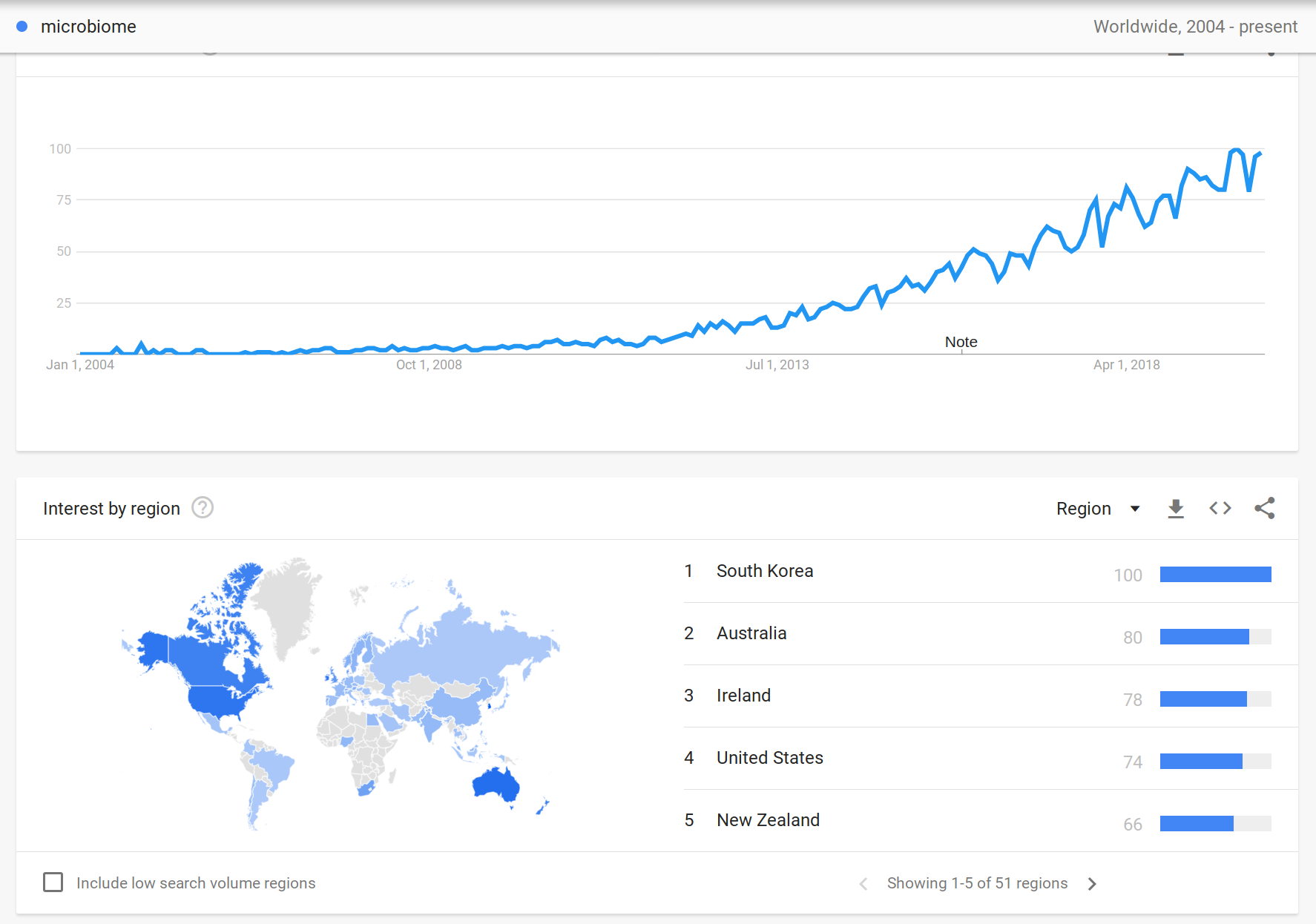
The microbiome is a buzzword being thrown around in scientific tabloids and health blogs lately. This field of studying mutualistic bacterial relationships inhabiting our gut is brand new and exciting, only really explored in the past decade. Data from Google Trends shows the slow gradual incline in interest in this term which didn’t really kick off until 2011.
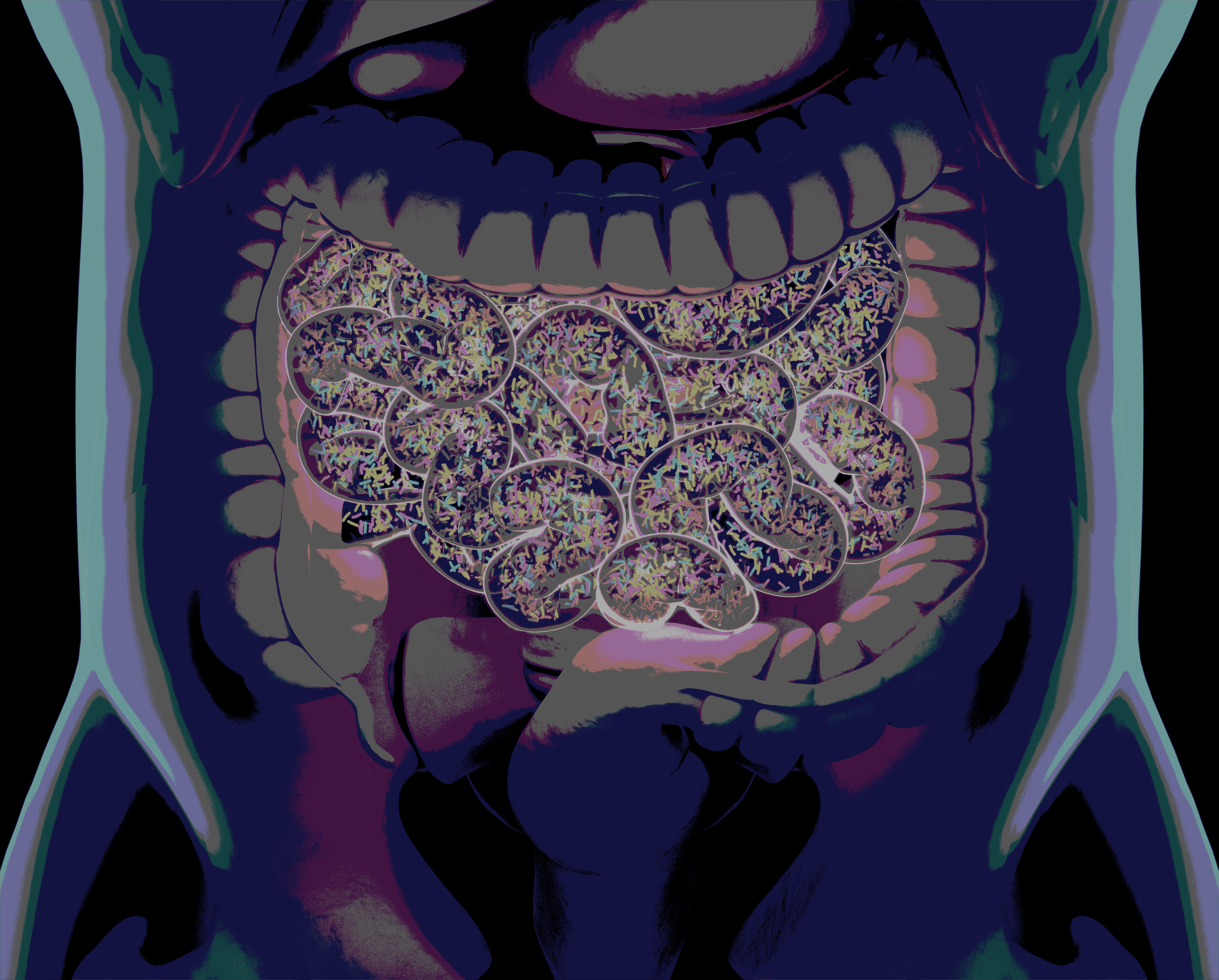
The microbiome encompasses the thousands of species of harmonious bacteria in your large intestine which benefit from living there, and we benefit from their abundance.
These trillions of bacteria live in symbiosis with us. Emerging data from microbiome research is uncovering just how important these microbes are for our health.
Not only do they:
- support immune system functions
- contribute to vitamin and butyrate synthesis
- protect against inflammation
- protect against cardiac disease
- protect against obesity, type 2 diabetes, IBD, celiac disease, and cancer
They also have a huge impact on our mental health.
Gut-brain axis
We can consider our brains as the “captain” of the body. The brain sends and receives electric and chemical messages from the CNS (central nervous system).
Your enteric nervous system (ENS) is a series of nerves embedded in your gastrointestinal tract. 90% of your serotonin (5-HT) production and 50% of your dopamine is produced in your gut by your ENS. The ENS or gastrointestinal region is often considered as our “second brain”.
With the gut being our primary source of serotonin production, it’s not surprising that gut health is crucial for our happiness and well-being. Even more extraordinary: the microflora composition and activity inside our intestines also influences our mood directly and indirectly.
Key findings:
- Germ-free (GF) mice had almost no serotonergic neurons in their ENS.
- Colonizing GF mice with healthy microbiota gradually restored their serotonin neuronal network.
- Serotonin released from enteric neurons stimulates dopamine enteric neurons.
- Microbiota communicate with serotonergic neurons via the 5-HT₄ receptor.
We’ve all heard the sayings “trust your gut” and “gut instinct” - but perhaps it’s truer to say: happiness stems from your gut.
Microbiome-metabolite-host relationship
Understanding how the metabolites produced by the bacteria in our gut influence our behaviour and health is at the cutting edge of biology.
📄 Microbiome, metabolites and host immunity
- The gut encompasses thousands of small metabolites, collectively called the metabolome.
- The metabolome comprises our diet, our native cells, and our microbiome.
- Many gut metabolites are bioactive and signal to our immune system.
- Alterations in metabolites are associated with defective innate and adaptive immune responses.
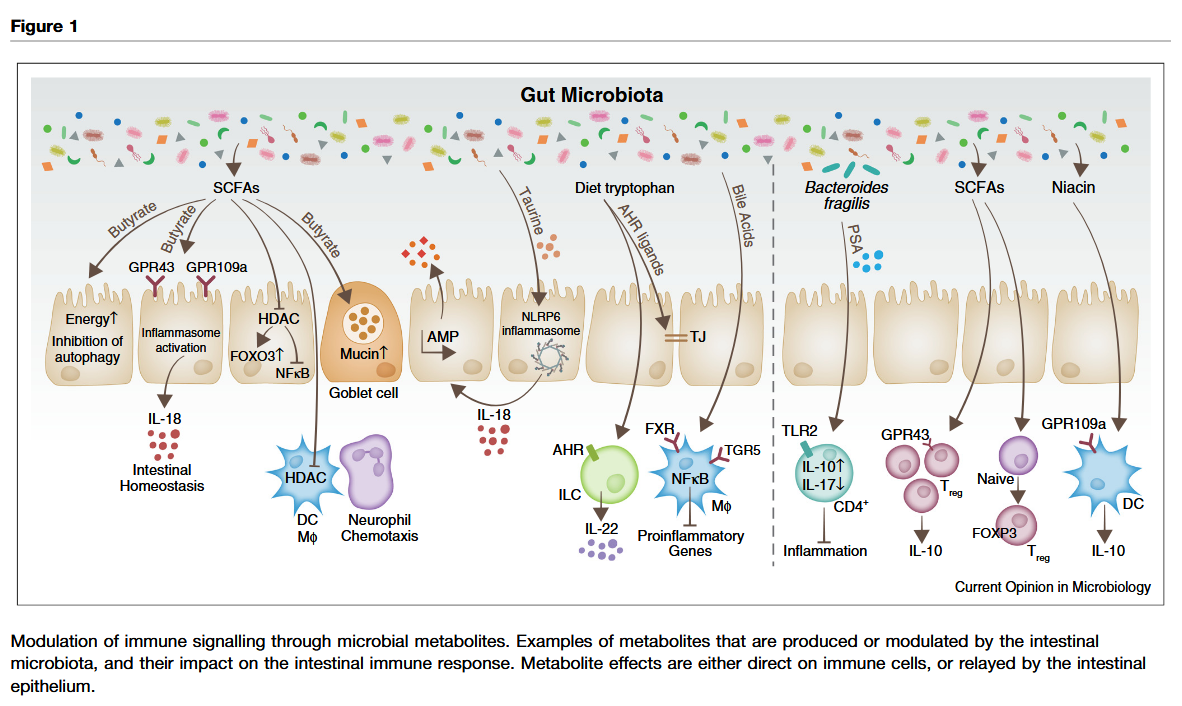
Butyrate is a key anti-inflammatory SCFA (short chain fatty acid). Produced alongside dietary tryptophan, it upregulates interleukins, indirectly modulates NFkB, and mobilizes immune cells.
Our intestine is a complex ecosystem of bacterial and host interactions. These billion-year-old biochemical beings are highly optimized at safeguarding our homeostasis.
The test
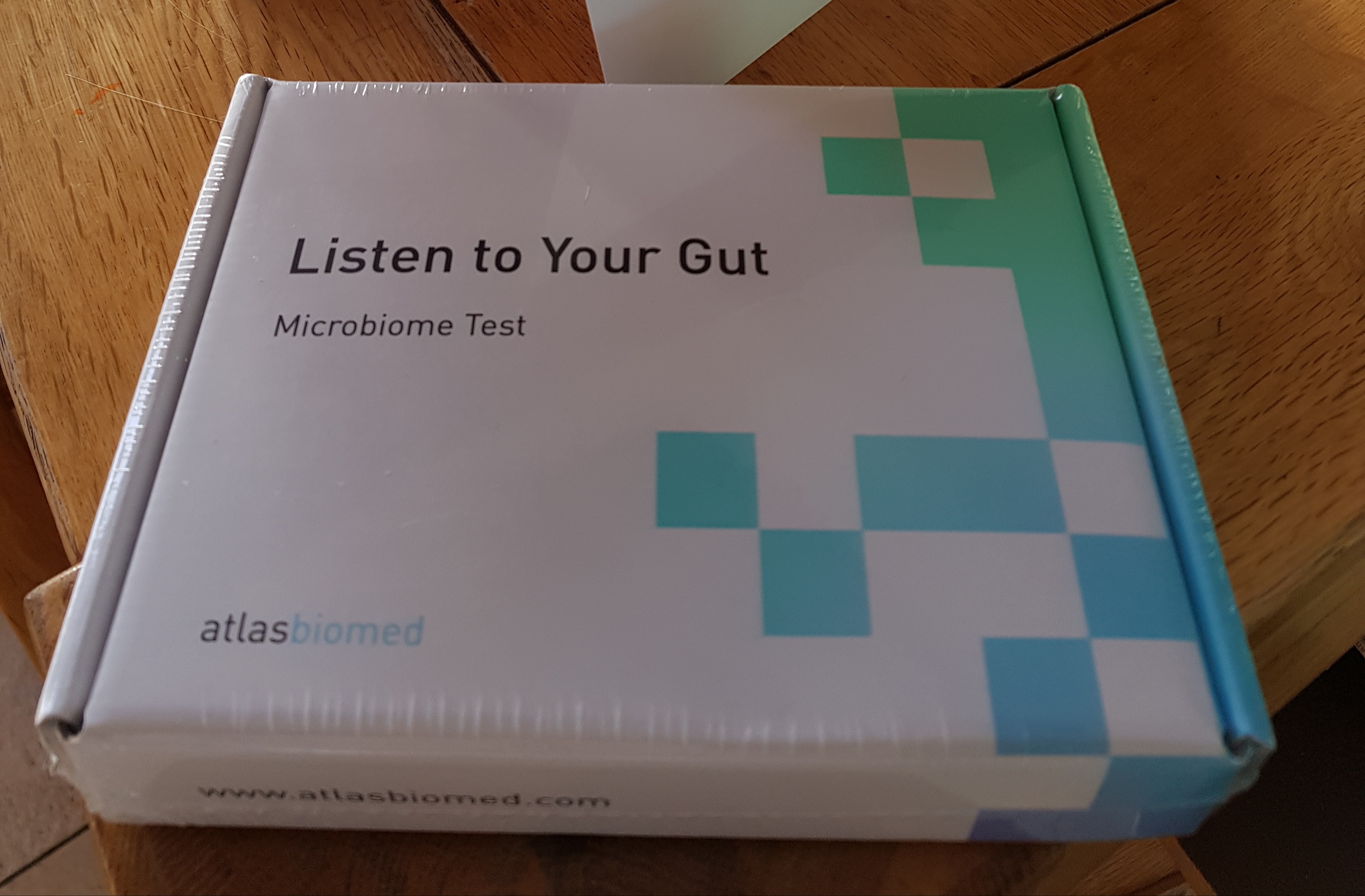
It comes in a box containing the test tube, instructions, and paper you place over your toilet for collecting your poop. The test tube has a serial number to register online. The same box is then sealed and sent back in the post.
Scooping a minuscule serving of my own poop with a spatula, scraping it into a test tube, and shaking until it formed a uniform brown liquid was not my proudest moment. I’m still trying to convince my mum, who insists: “it’s not very dignified to send your shit away in the post.” She’s not wrong.
Still, the insights could help improve diet, restore microbiome health, and boost well-being.
Sample stability
Something that concerned me was the long turnaround time. My sample took over a month to arrive at the lab.
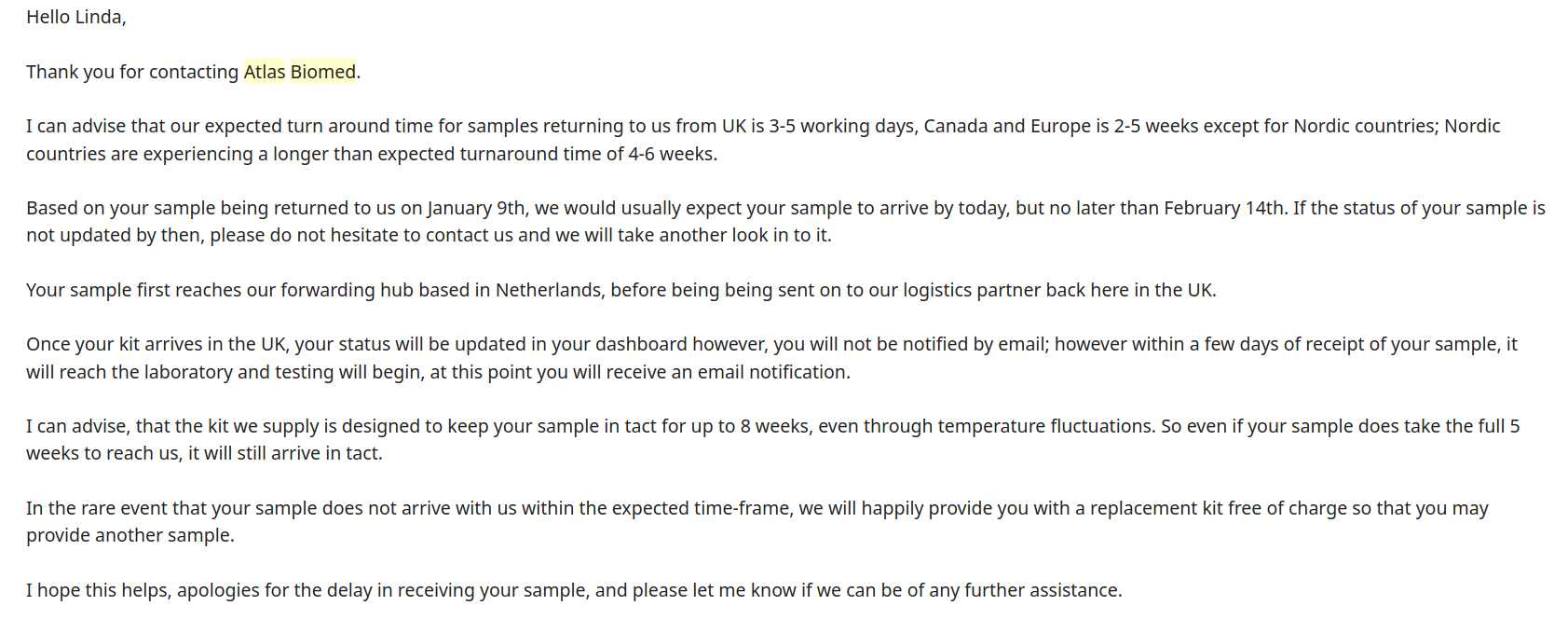
Atlas Biomed assured me that their kit stabilizes samples for up to 8 weeks. Research suggests OMNIgene-GUT solution keeps microbiome profiles stable for ~21 days, even if absolute abundances shift. Still, 28–40 days feels risky - this bottleneck needs optimization.
Test results
I have to say, the results were interesting and the dashboard UI is beautiful.
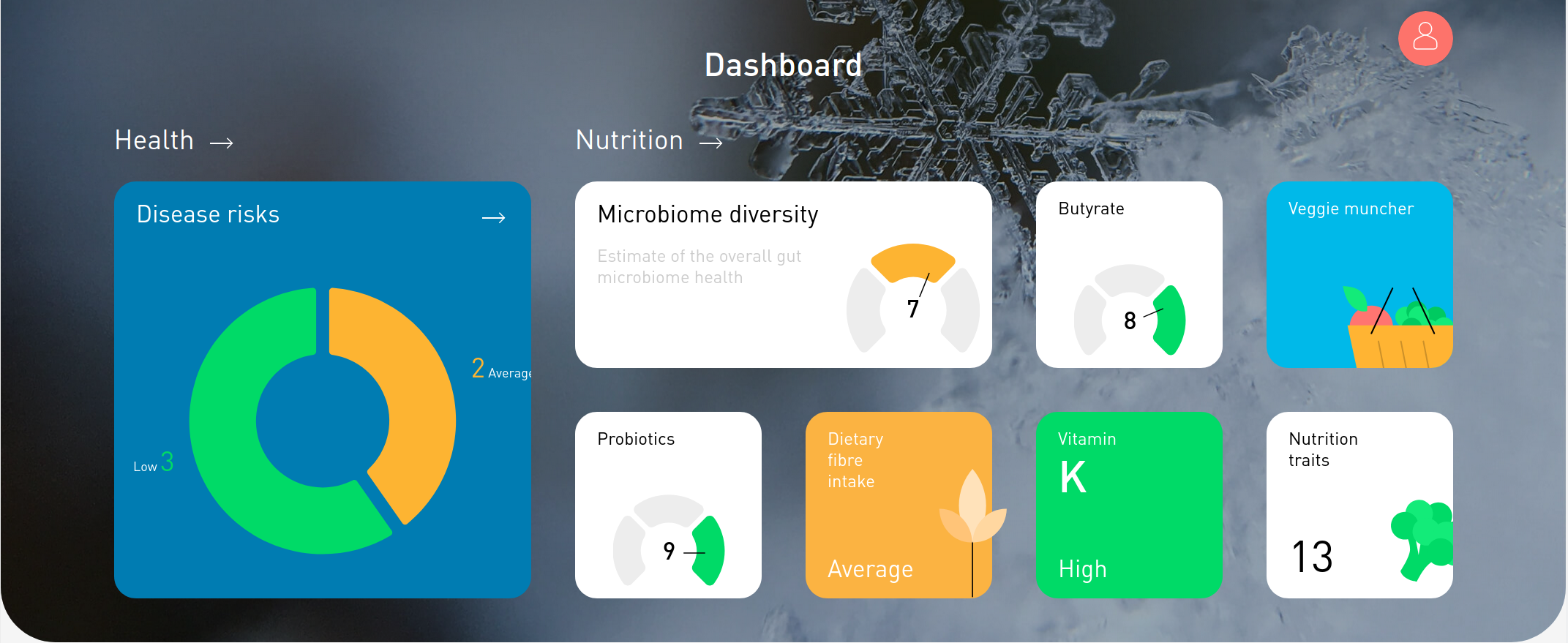
Reported measures included:
- Disease risk (Diabetes II, Obesity, Crohn’s, UC, heart disease)
- Diversity of your microbiome
- Potential to produce butyrate, vitamins B & K, fatty acids
- Levels of probiotics (beneficial bacteria)
- Your enterotype
- Fibre intake
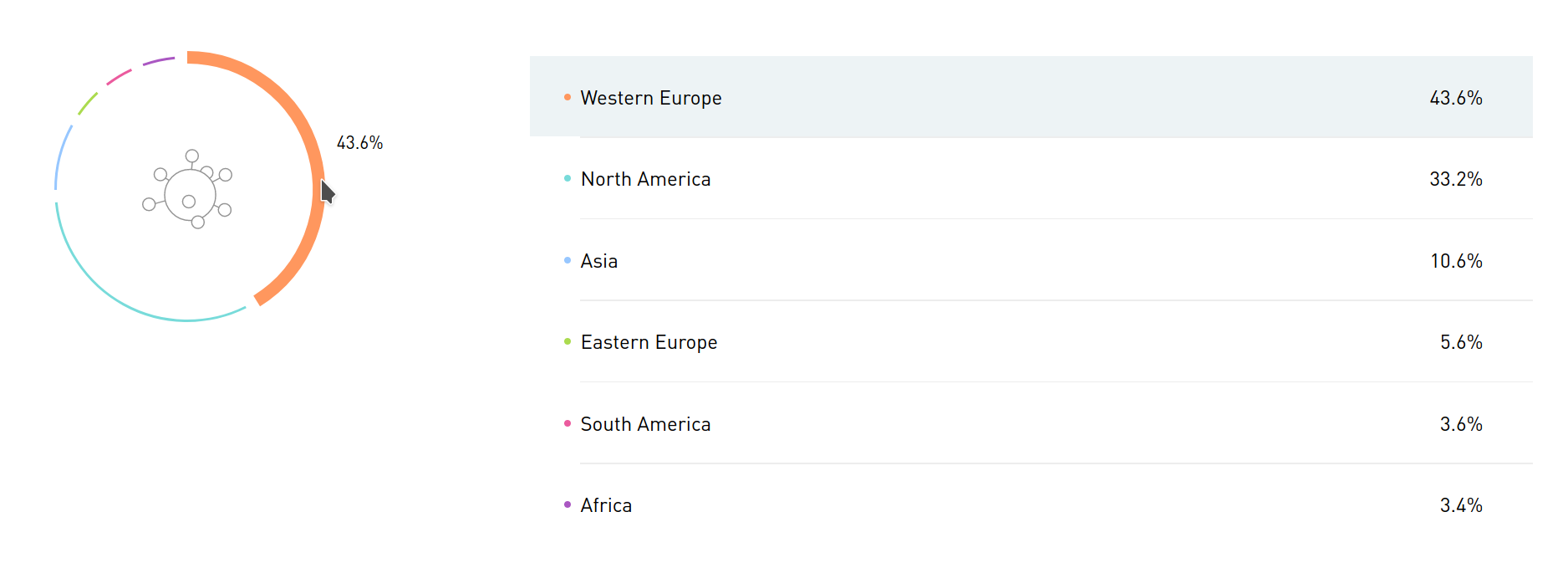
- The “nationality” of your microbiome
Enterotypes
I had no idea what an enterotype was before this test.
📄 Enterotypes of the human gut microbiome (Arumugam et al., 2011)
- Enterotype 1 (Bacteroides) - protein-rich Western diets.
- Enterotype 2 (Prevotella) = high-fibre vegetarian/tribal diets.
- Enterotype 3 (Ruminococcus) - common in many populations.

Figure 2. Phylogenetic differences between enterotypes.
A key finding: each enterotype performs all vitamin metabolism pathways but differs in focus.
- Enterotype 1 → biotin, riboflavin, pantothenate, ascorbate.
- Enterotype 2 → thiamine, folate.
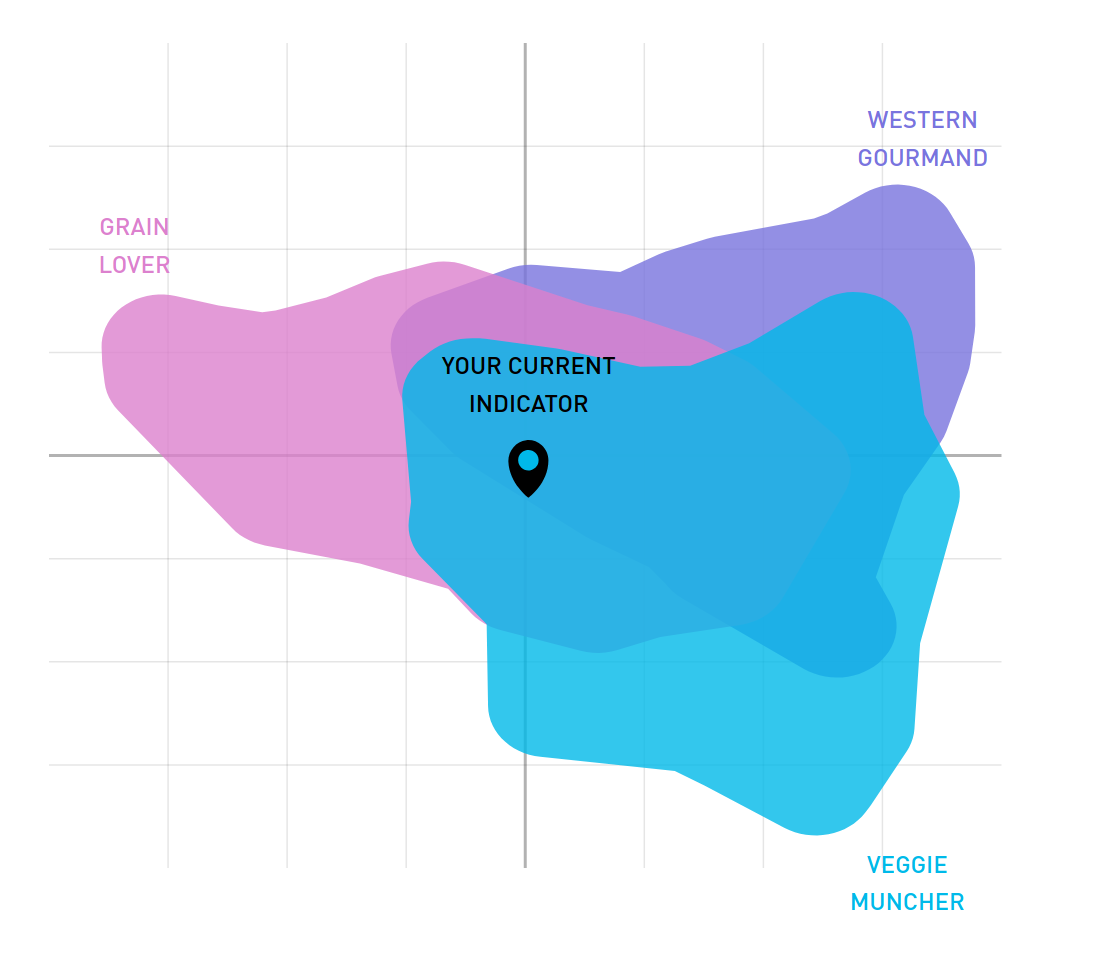
I fell into Enterotype 2 - fitting, since I love veggies and try to limit meat intake.
Probiotic species diversity
They gave a breakdown of species by function:
- Lactic acid bacteria & bifidobacteria
- Unique-characteristic bacteria
- Butyrate producers
- Anti-obesity bacteria
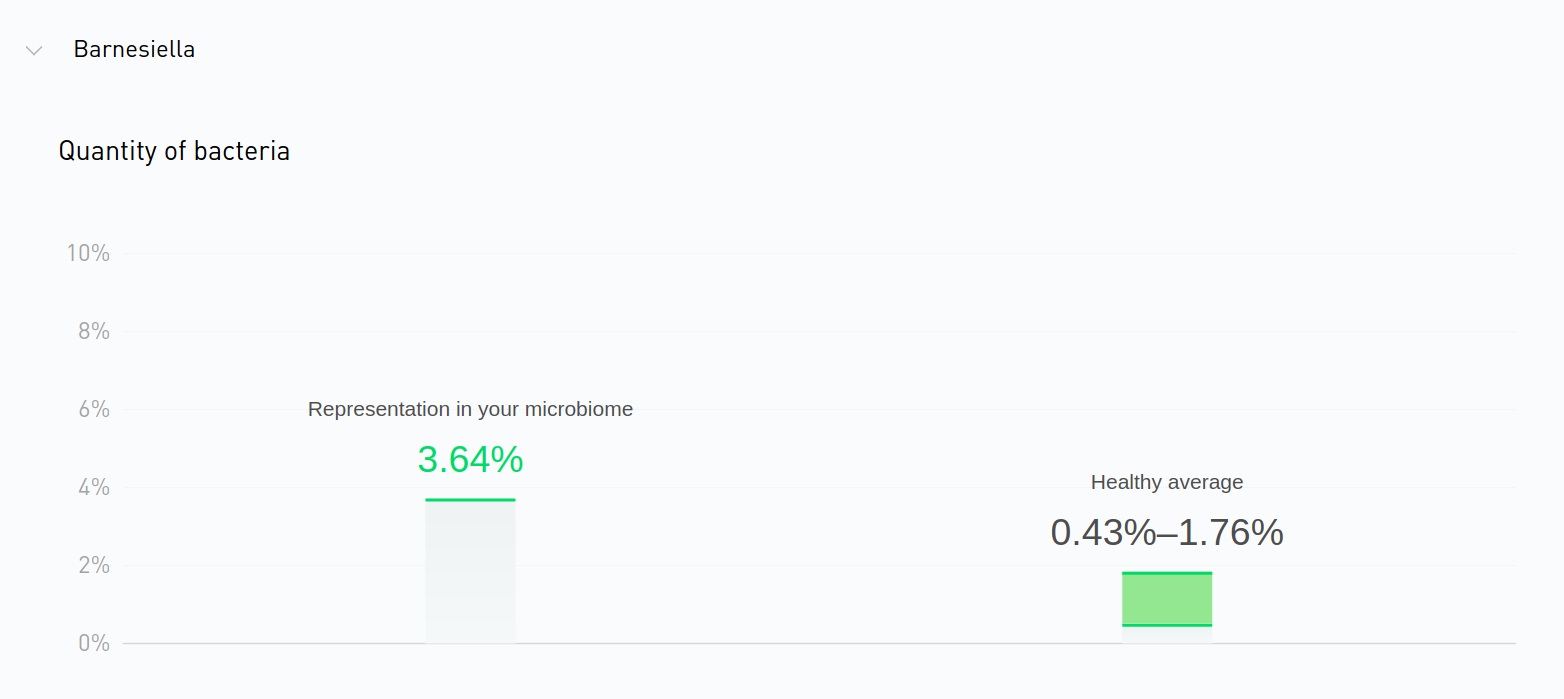
Interestingly, I have lots of the rare Barnesiella, which prevents colonization by resistant pathogens and may even enhance cancer immunotherapy response.
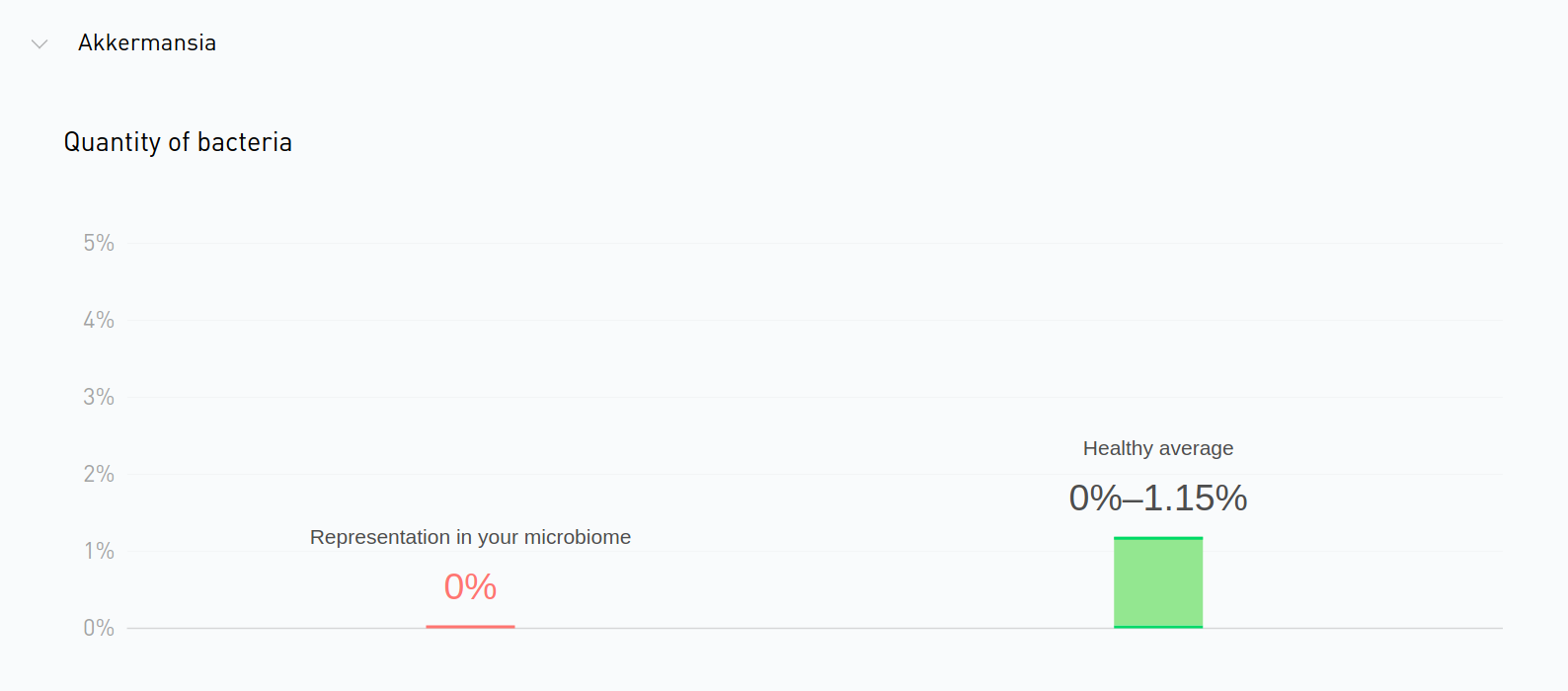
I also had 0% Akkermansia - typically abundant in lean people and those fasting.
Microbiome diversity
Atlas Biomed used 16S rRNA sequencing and the Chao index formula to quantify diversity.
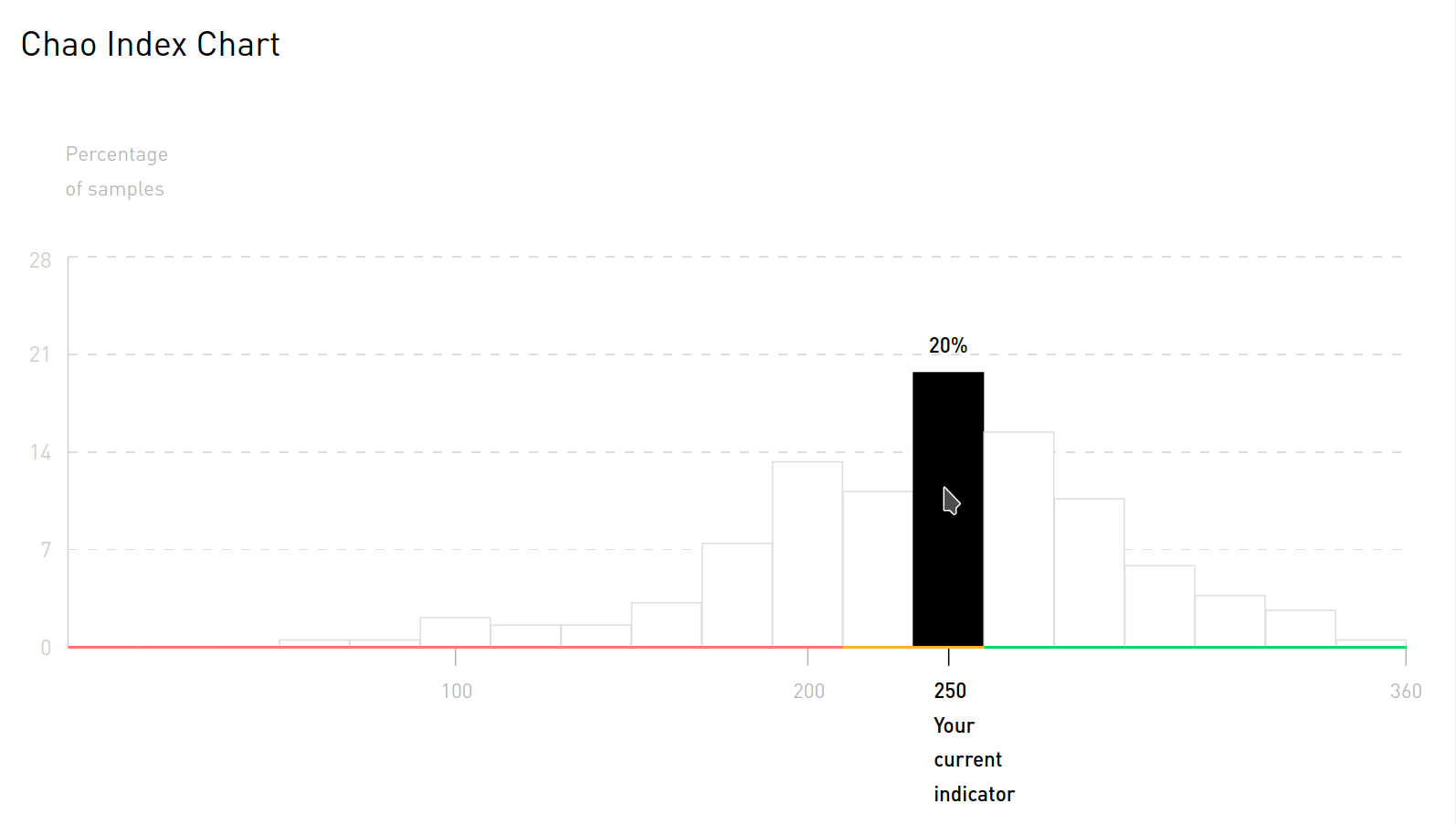
My score: 250, right in the middle. I’ll need to diversify my diet further.
Food recommendations
Atlas Biomed updates the dashboard weekly with personalized food recommendations to support probiotic species. Many were foods I’d never tried before - I’m excited to experiment.
Verdict
From an educational perspective it’s an excellent product given the nascency of the field. I enjoyed learning about my microbiome and easing my paranoia.
That said, I’d love confirmation on the accuracy and stability of samples sitting for a month before testing.
Questions I’d pose to experts:
- How much does microbiome composition fluctuate over time?
- How long would it take to convert your gut into a different enterotype?
Enhancing our endogenous bacteria to overcome antibiotic resistance
We are losing the arms race against bacteria. Pathogens are evolving resistance, while antibiotics also wipe out our protective microbiome.
Encouraging our native bacteria to flourish is our best defense. So maximize your fibre intake and drink kefir to appeal to your microbes’ beneficial nature!