BYOB – Brew Your Own Beer
Apr 5, 2020
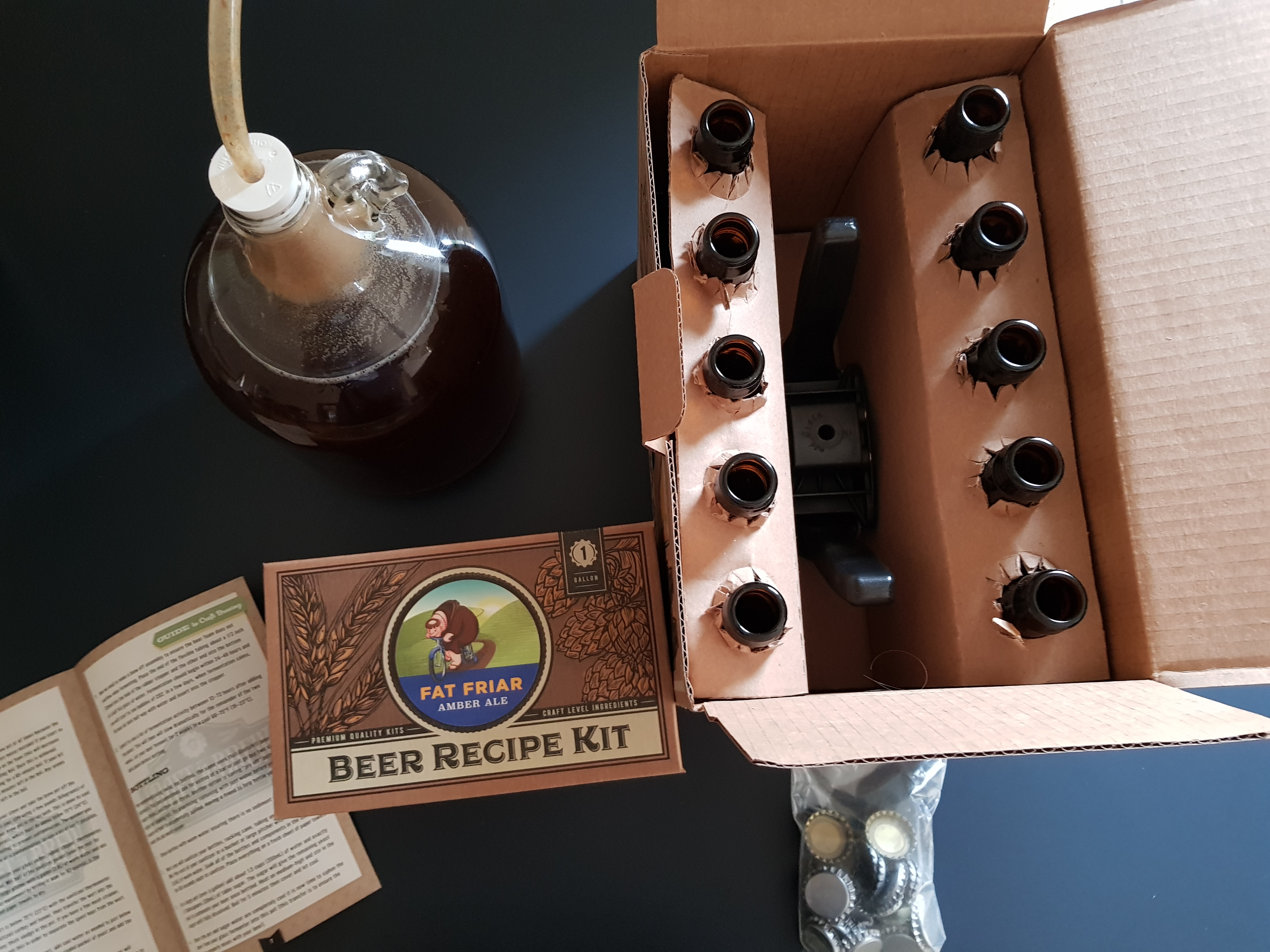
My first brewing adventure
2020 has stimulated a resurgence in appreciation for the simpler things in life. Being around family and pets, baking bread, reading paperbacks, playing video games and music. With our travel plans firmly paused, our future hedonistic pursuits halted, and nowhere to dwell but in the confines of our homes, we’ve all been momentarily trapped between the four walls of the house. This back-to-earth parallel reality is a welcome escape for many and an opportunity for developing our many introverted activities and hobbies, sans distraction.
I remembered the ‘Craft a Brew’ kit I had in the back of a press that had never been opened. There’s no better time to get locked on some dodgy liquid of my own creation than during a “lockdown”, eh? I also indulged in a small bit of research surrounding the history of brewing and yeast discovery.
A history of brewing
Historically, brewing was considered an art form and was intertwined with the social and cultural development of many ancient civilisations. Beer was prescribed to treat medical ailments, accepted as a form of legal tender, and distributed in a manner (not surprisingly) to accommodate the nobility with the largest volumes. Iain Gately, Drink: A Cultural History of Alcohol .
In 1516 Medieval Europe, the Reinheitsgebot (Beer Purity Law) was imposed in Bavaria, introducing the first standard for beer purity. This marked the beginning of the industry’s development into the highly sophisticated and tightly regulated biotechnological practice we know today. It mandated that the only constituents of beer should be water, hops, and barley.
Yeast escaped definition in this law, as it was believed to be a by-product of the fermentation process rather than an active component.
Wonderful fungi
The distinctive flavour profiles we associate with different beers are the work of different strains of yeast. Heineken hired Dr. Hartog Elion in 1886 to lead their lab in developing new yeast strains. Elion developed Heineken’s infamous A Strain which to this day uniquely defines their beer’s flavour profile.
In 1680 Holland, Antoni van Leeuwenhoek, using his high-resolution microscope lenses, was the first person to view yeast. He considered them inanimate globules appearing in beer brew. In 1857, Pasteur confirmed that these organisms underpinning the fermentation process were indeed yeasts.
A sharp rise in the popularity of lager beer in the late 19th century led brewers to move from the traditionally used top-fermenting S. cerevisiae strains to bottom-fermenting S. pastorianus strains, now the most widely used in industry.
In fact, 90% of the beers in the world are produced by the lager yeast Saccharomyces pastorianus, making it one of the world’s most important industrial organisms. (New yeasts—new brews: modern approaches to brewing yeast design and development.).
Fermentation process
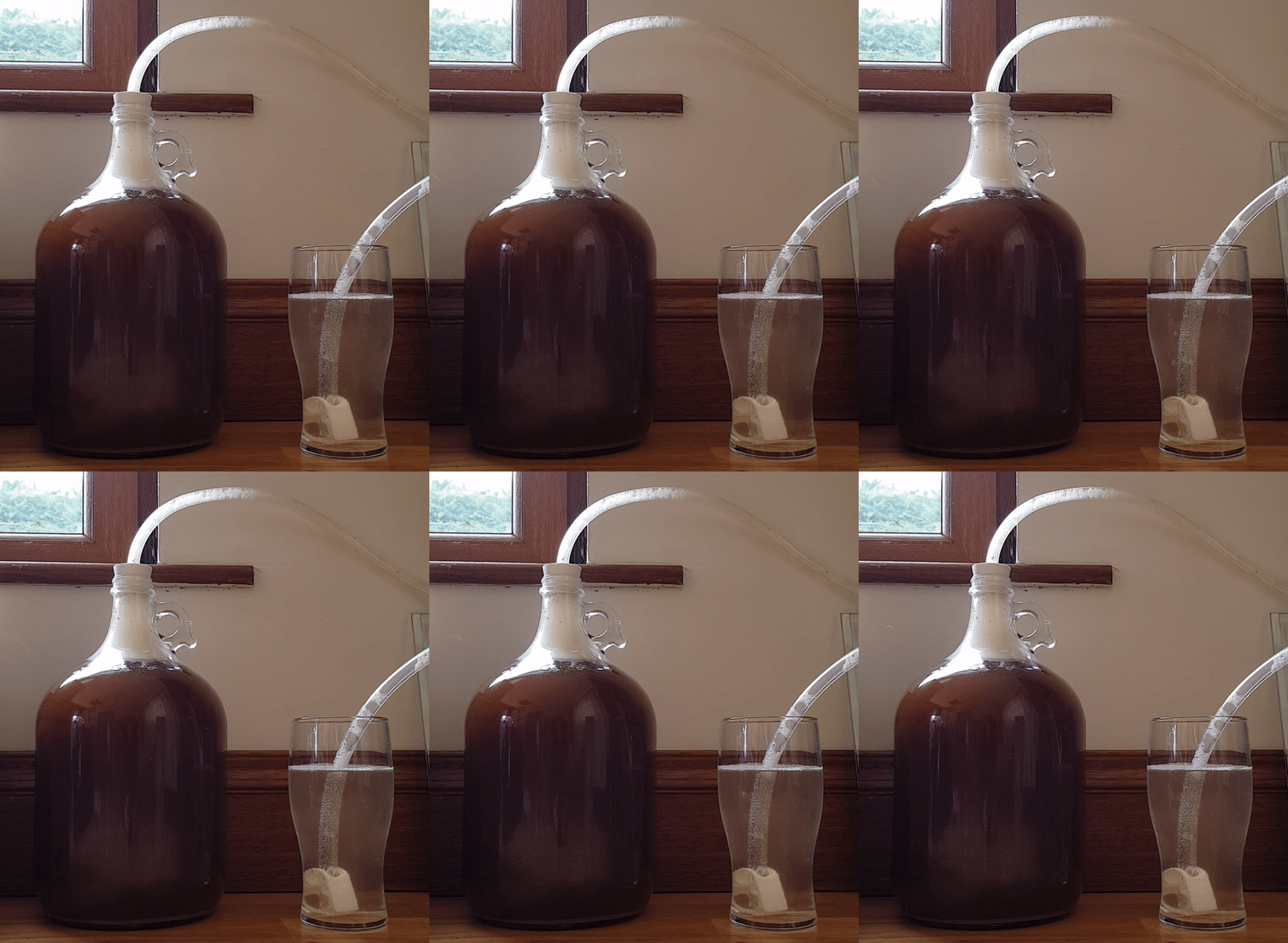
The biosynthesis of amino acids by yeast is metabolically taxing. Yeast converts glucose in the wort to ethyl alcohol and carbon dioxide gas, generating beer’s alcohol content and carbonation.
Fermentation also produces a multitude of flavour compounds - alcohols, organic acids, organic sulphides, esters, aldehydes, and carbonyls - which impart the sensory characteristics of beer. For lager beers, higher alcohols and their esters are the most relevant. These are produced via the three-step Ehrlich Pathway.

Materials
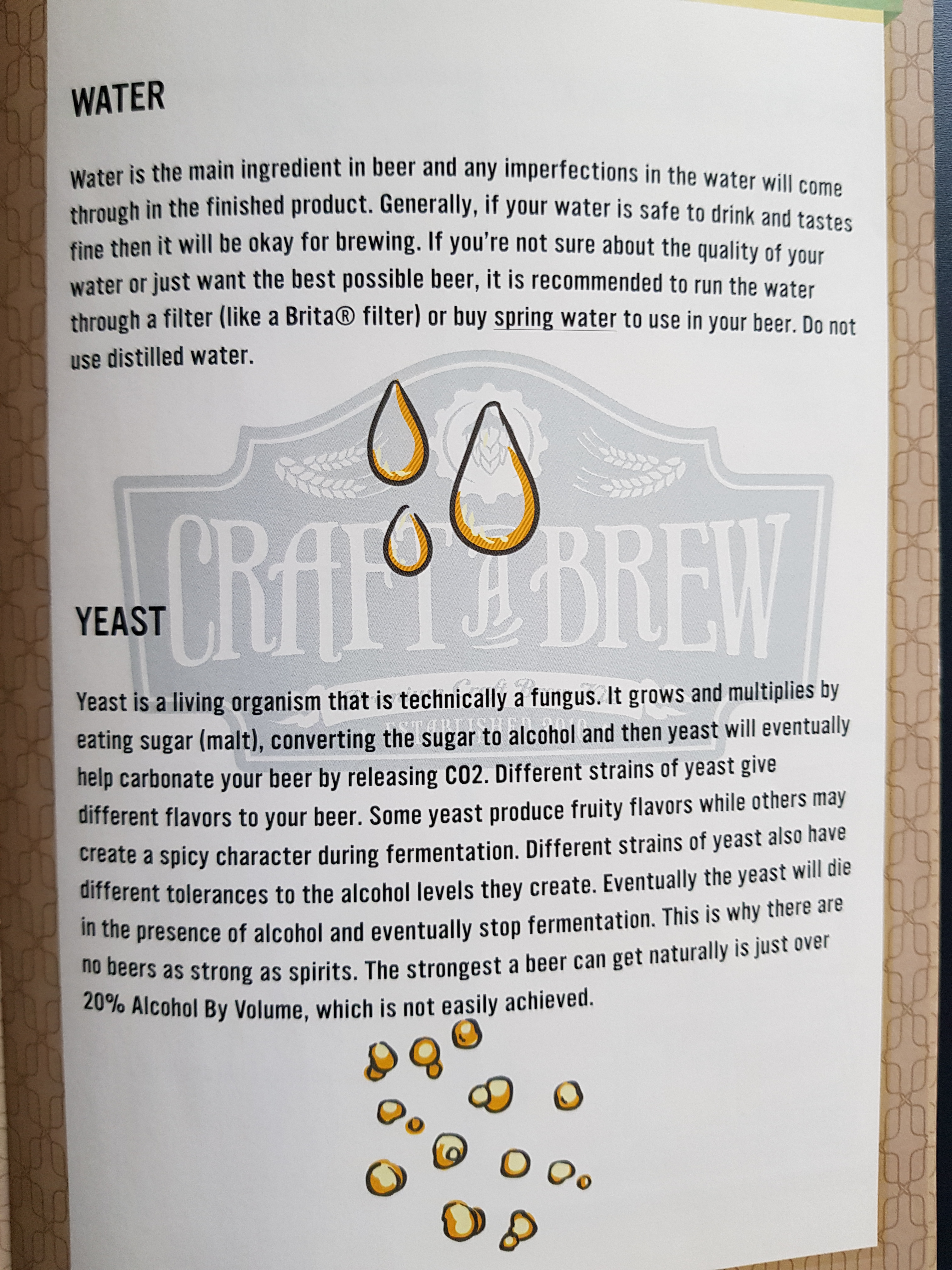
The kit contains everything an amateur could possibly need for brewing their own beer.
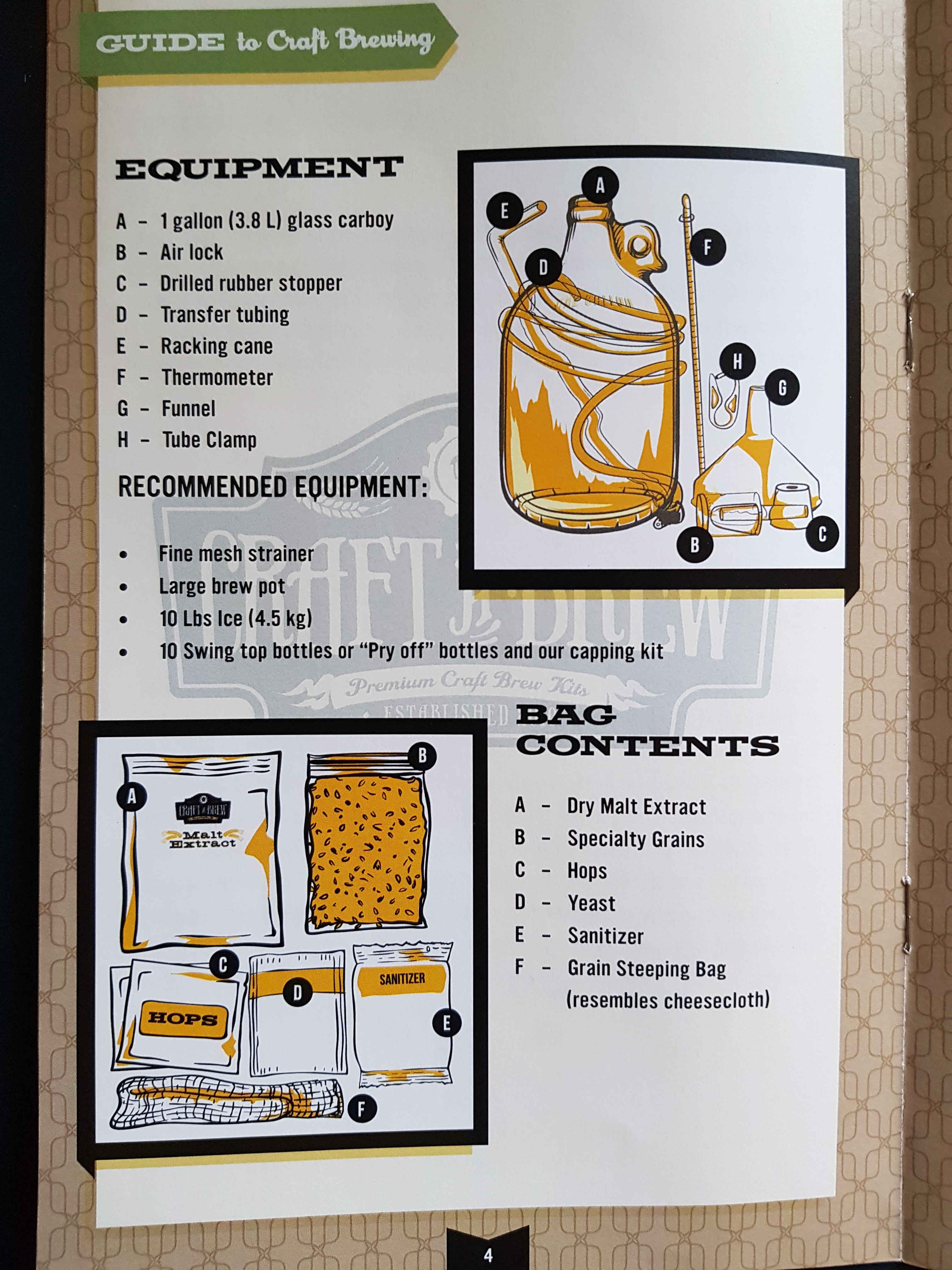
Ingredients
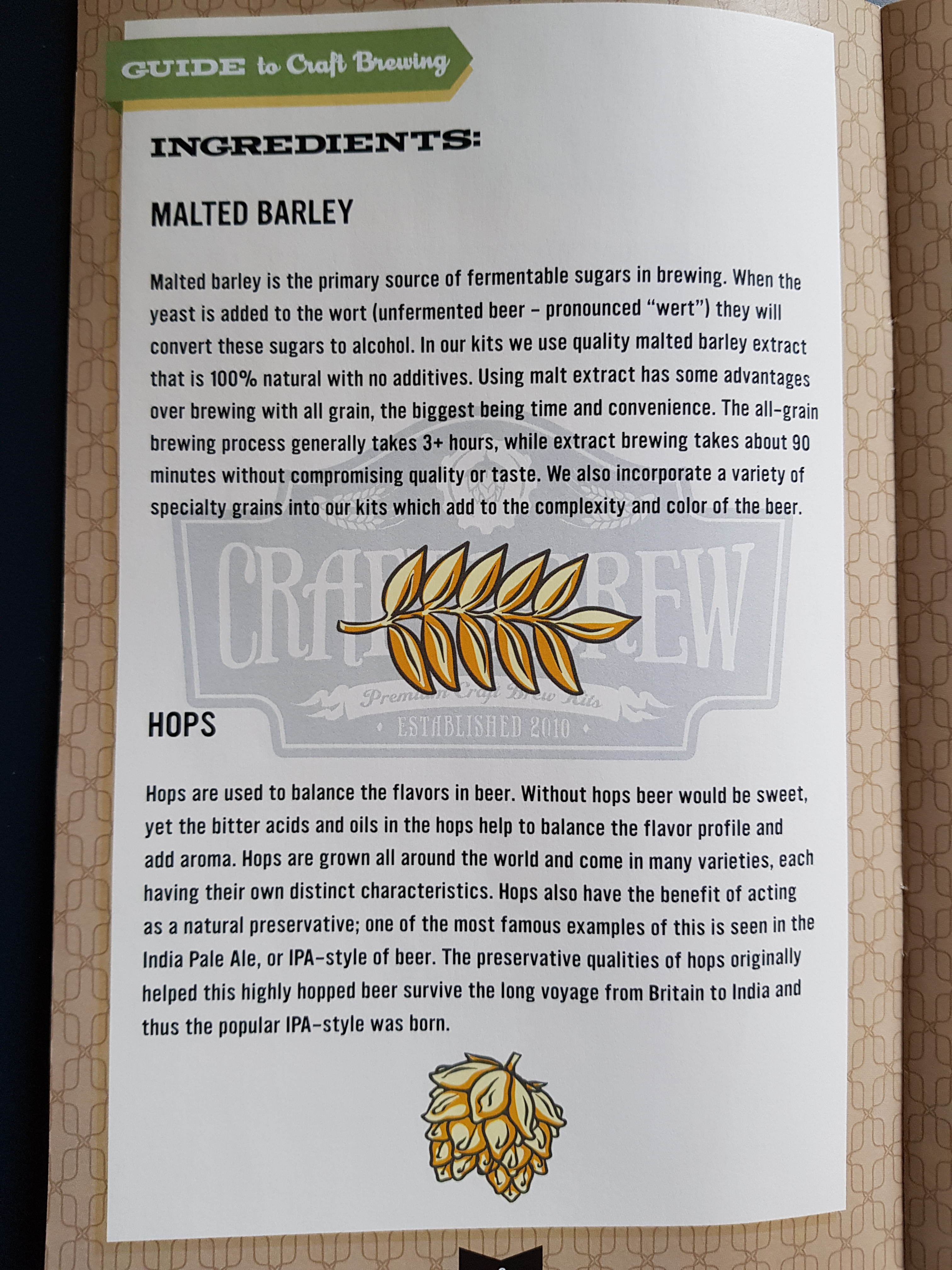
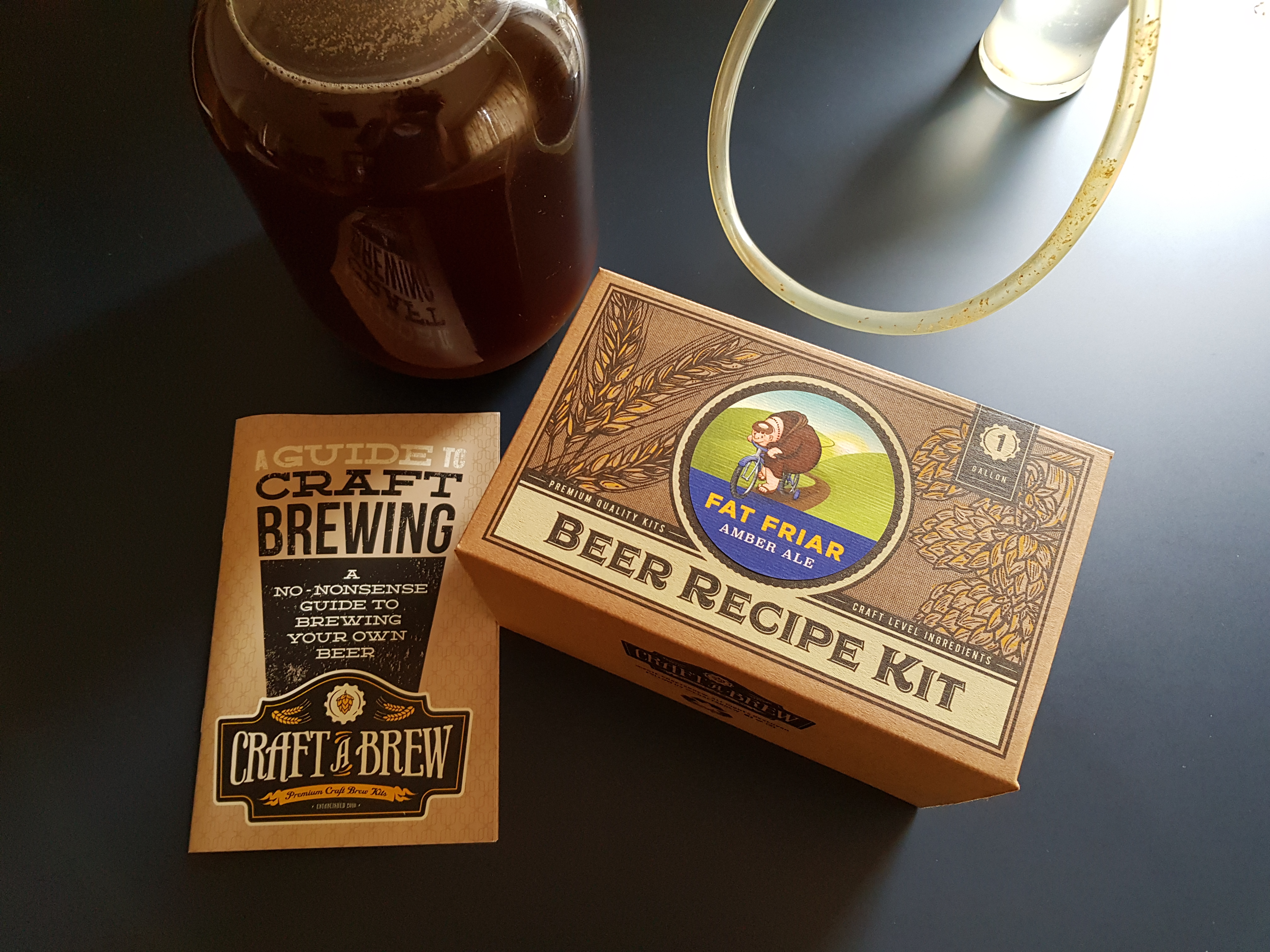
The type of beer kit I tried first was an amber ale called “Fat Friar”.
Method
Preparing the beer broth and bottling the product amounted to 2 evenings’ work with a turnaround time of 2 weeks for fermenting. I had to be careful to keep all equipment sterile and avoid contamination.
Brewing
- Sterilize all materials (jug, funnel, stoppers, tube, etc.).
- Steep sack of grain in 3.8 L of water at 68°C for 20 minutes, maintaining temperature.
- Remove grains without squeezing.
- Bring wort (unfermented beer) to a boil. At the first bubble, remove pot from stove.
- Slowly stir malt extract into the pot. Once dissolved, return to stove at medium-high heat.
- Bring wort to a slow rolling boil.
- Add bittering hops and start a 60-minute timer.
- Monitor for 1 hour to prevent overflow.
- Add flavouring hops 15 minutes before the timer ends.
- Add aroma hops 2 minutes before the timer ends.
- Remove from stove, cover, and cool rapidly in ice bath.
- Ensure wort <24°C before adding yeast.
- Transfer to carboy with funnel and mesh strainer.
- Stopper, shake, and invert carboy to aerate (1 min).
- Attach tubing to stopper, submerge other end in water glass (for foam release).
- Leave in cool, dark place for 2 weeks before bottling.
Bottling
- Sterilize all equipment, bottles, and caps.
- Boil 350 ml water with 2 tbsp sugar for 5 minutes (for carbonation).
- Cool solution, then siphon beer from carboy into pot (leave sediment).
- Siphon beer into bottles.
- Store bottles for 2 weeks to condition and carbonate.
- Chill and enjoy!
Outcome
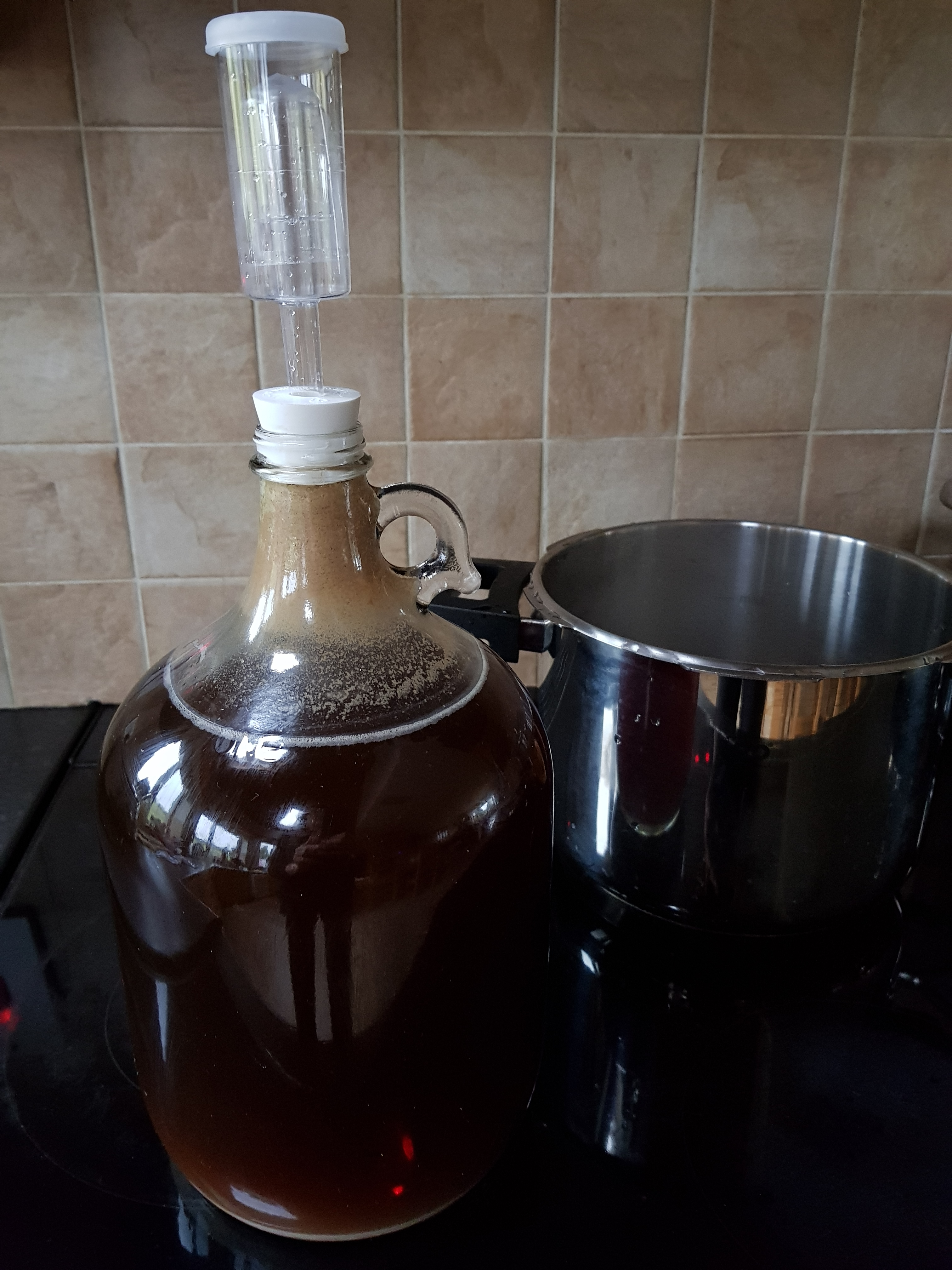
I managed to siphon the beer into bottles with only a couple of spillages. My brother clamped the lids with the bottling device provided. From the leftover warm beer I tasted, I can’t complain -fairly unobtrusive taste and smelled like regular beer. I admit, watching the dark broth foam in a jug for 2 weeks along with the massive quantity of sugar required didn’t exactly fill me with desire to drink it, but I’m pleasantly surprised by the result. Good job, Craft a Brew! I hope we clamped the lids on properly and the fizz is retained. Maybe I can try cider next..