The Plant Microbiome
May 6, 2020
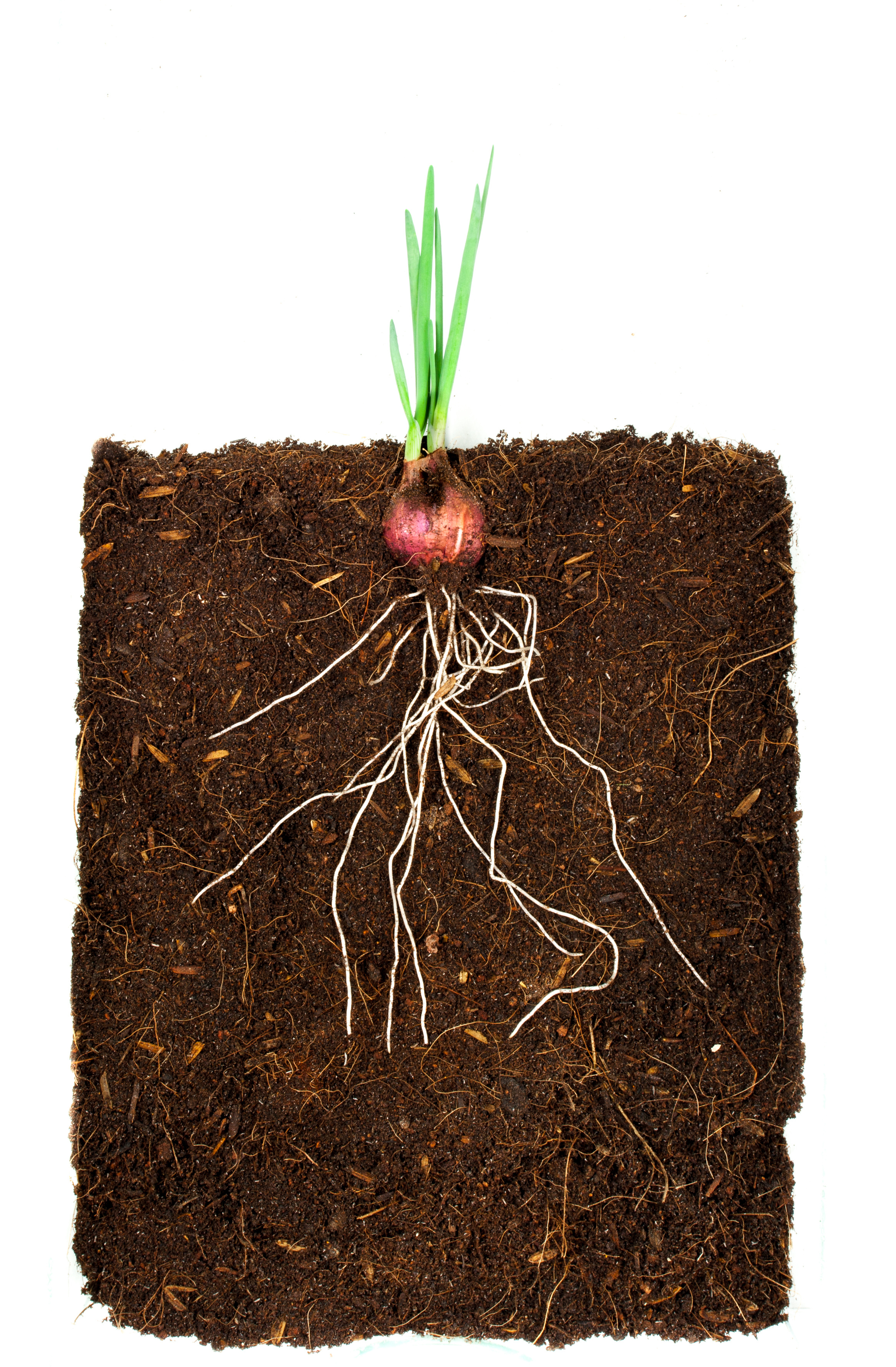
One of the most exciting fields of research is uncovering the ancient relationship between microbes and plants. Communities of microbes live around, on and inside plants. Composed of bacteria, fungi, viruses and nematodes, this consortia of microorganisms play several crucial roles in the maintenance of ecosystem function such as the cycling of carbon and nutrients as well as sustaining plant growth.
Similar to how crucial the gut microbiome is for maintaining human health, the nuances of plant-microbe interactions have many direct and indirect benefits for plants. This fascinating bidirectional communication between benevolent microbes and plants is known to:
- boost plant growth and improve root architecture through the cycling and delivery of nutrients
- manipulate the hormonal signaling of plants
- trigger defense responses and protect against malevolent invading pathogens
- increase protection against herbivory
- protect against abiotic stresses such as changes in temperature and rainfall
- repel or outcompete pathogenic microbial strains
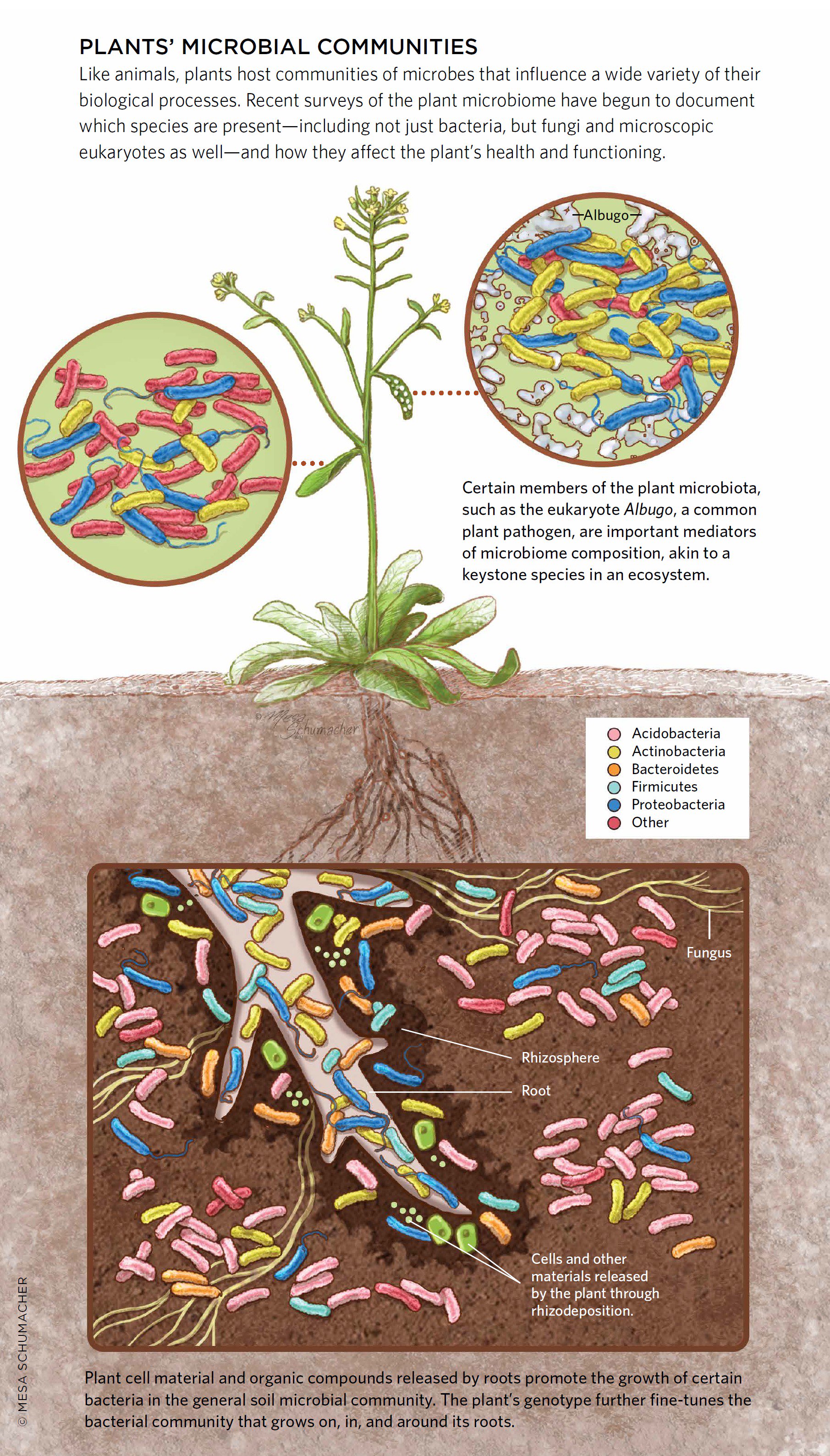
Infographic: Plants’ Microbial Communities
The earliest evidence of the ancient alliance between plants and microbes comes from fossils thought to be dated from 400 million years ago capturing the presence of arbuscular (branched finger-like hyphae) fungal structures inside plants.
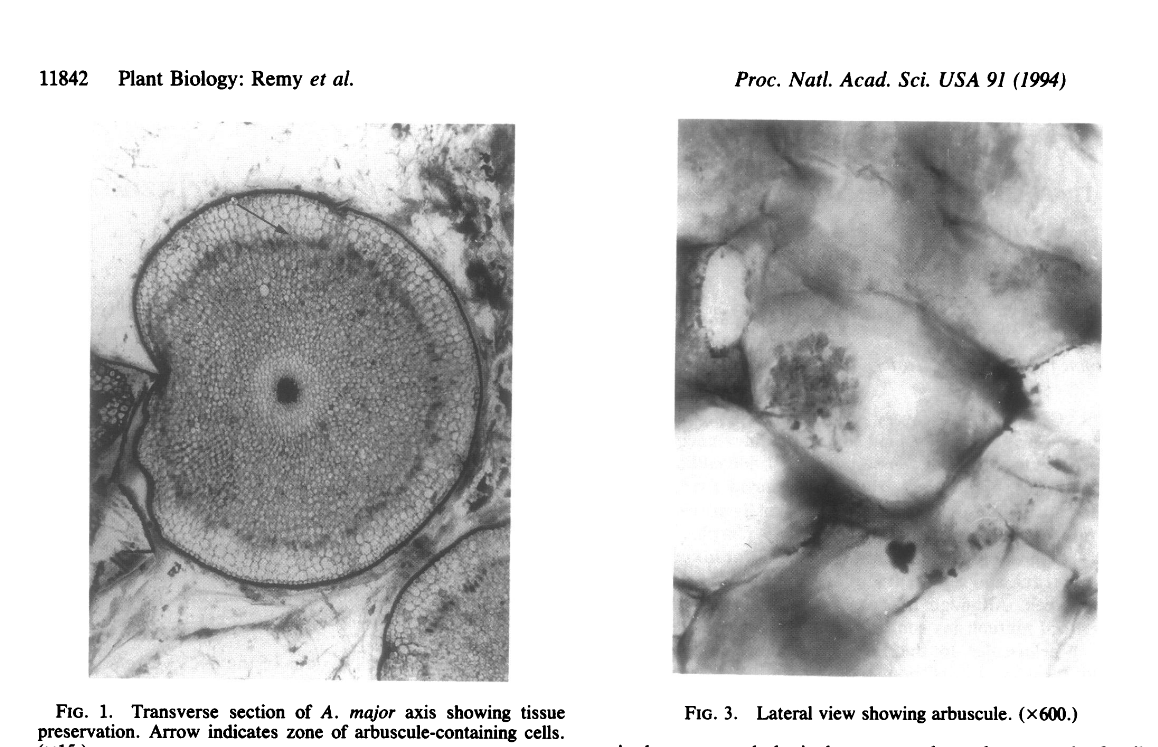
Four hundred-million-year-old vesicular arbuscular mycorrhizae
Unfortunately soil degradation, land management practices and changes in climate patterns are threatening the integrity of the plant microbiome.
To protect and stimulate the resurgence of the microbiome, future agricultural practices will need to encompass the microbial environment surrounding the plant and not just consider the plant as an organism in isolation.
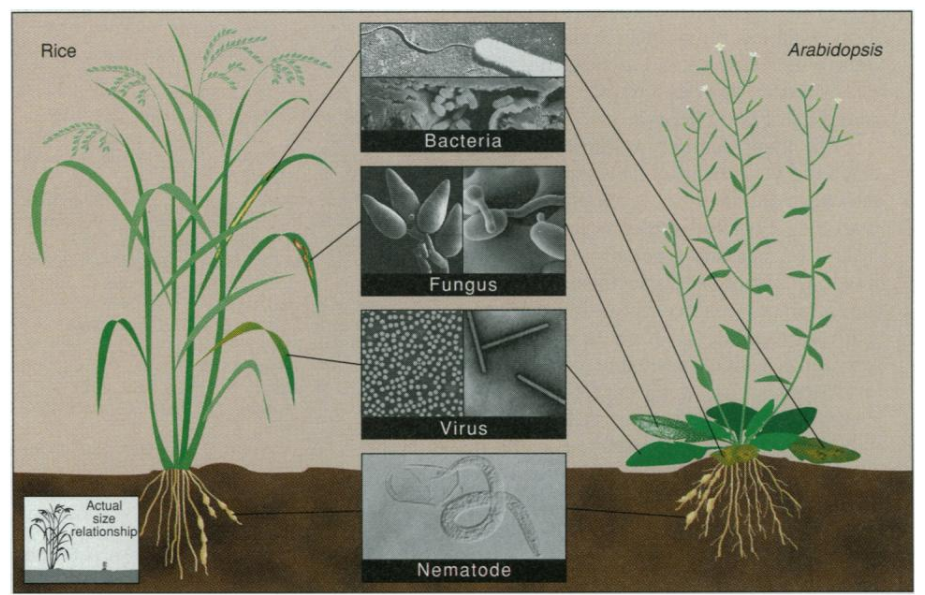
Uncovering the multifactorial roles of microbial association with plants, the biochemical and hormonal signalling pathways involved and how microbes confer advantages to plant growth is a Pandora’s box of possibility for engineering agricultural and environmental security.
What is the microbiome?
The plant microbiome is a holobiont — an assemblage of the plant and all the microorganisms living around, on or inside it. Together the plant and its encompassing microbes form one ecological unit.
In addition to the taxa present, it consists of the bidirectional communication between microbial metabolites and the substances secreted by plants.
Plant root secretions are called exudates and encompass a wide variety of metabolites which adjust and influence the microbiome in the rhizosphere (on and around the plant roots).
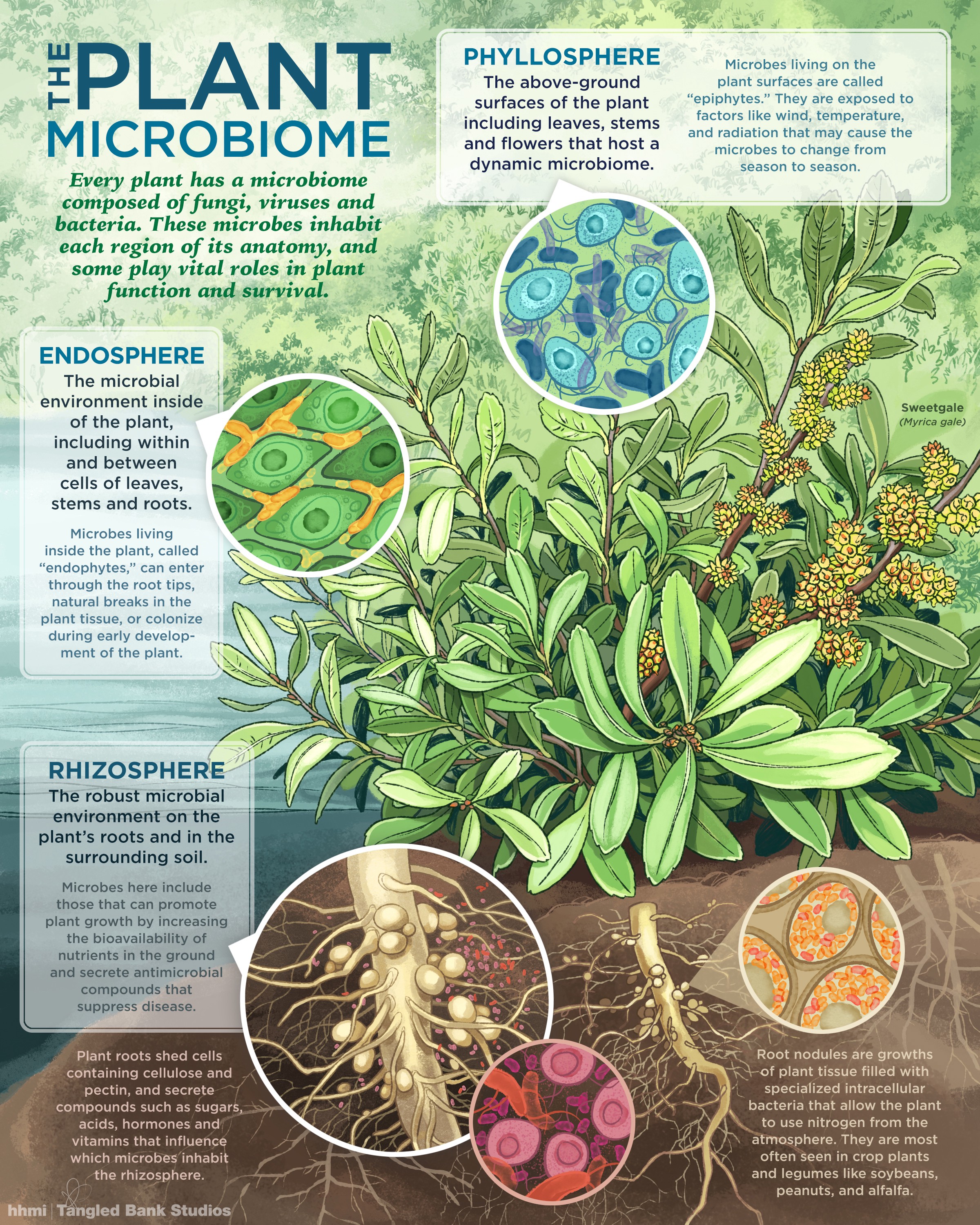
Visualizing the plant microbiome
The root system deposits up to 40% of the plant’s photosynthetically fixed carbon into the rhizosphere [2], making this thin zone around the roots one of the most energy-rich habitats on Earth [3].
The composition of the microbiome is determined by extrinsic factors (soil conditions, climate, land management) and intrinsic factors (vertical transfer through seeds, plant characteristics, plant organs, and plant–microbe interactions).
A plant’s microbial community is considered an asset for survival as microbes can protect plants against:
- Biotic threats (pests and pathogens)
- Abiotic stresses (extremes in temperature, drought, chemical contaminants)
Some interesting facts we now know about the plant microbiome:
- Signalling or cross-talk between above-ground parts of the plant with the rhizosphere is extensive and influences the microbiome composition.
- Plants are able to cry for help under attack and selectively attract beneficial microbes to come to their aid [4].
- Drought shifts the composition of the plant microbiome, especially inside the plant [5].
- Microbes secrete antifungal metabolites (e.g., Pseudomonas fluorescens produces diacetylphloroglucinol, DAPG).
- Plants coordinate microbial performance to strategically deal with pathogen attack, nutrient deficiencies, or abiotic stresses.
Plant mineral nutrition
In the soil, nutrients such as Nitrogen (N), Phosphorous (P), and Sulfur (S) are tied up in organic molecules and are not readily available for plant absorption [6].
Plants depend on microbes which possess the metabolic machinery to depolymerize and mineralize organic forms of N, P, and S.
Through turnover, cell lysis, and protozoic predation, microbes release mineral content.
This converts N, P and S into ammonium, nitrate, phosphate and sulfate — the forms plants can use.
Anatomy of the plant microbiome
The microbes occupying the plant microbiome can be broadly categorized:
- Epiphytes live on or around plant structures
- Endophytes occupy the internal tissues of the plant
The microbiome space is subdivided into 3 zones:
- Rhizosphere — soil influenced by roots
- Phyllosphere — aerial surfaces
- Endosphere — internal plant tissues
Rhizosphere
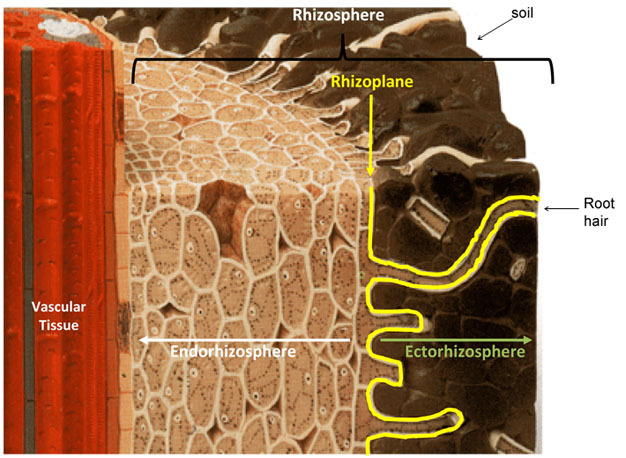
A root section showing the structure of the rhizosphere.
The rhizosphere is the narrow band of soil surrounding the roots. Subzones:
- Endorhizosphere — apoplast between cortex/endodermis cells
- Rhizoplane — root surface & mucilage
- Ectorhizosphere — soil extending outward
Exudates drive microbial structure, varying with root region, soil type, geography, and plant stage.
Root exudates include organic acids, sugars, amino acids, fatty acids, vitamins, hormones, and antimicrobials [7].
Other rhizodeposition includes sloughed root cells, mucilage, cellulose, and pectin.
Phyllosphere

Microbial life in the phyllosphere
The phyllosphere is dynamic, exposed to temperature, moisture, radiation, precipitation, and wind. Compared to the rhizosphere, it is nutrient-poor and hosts fewer microbes (~10⁷/cm²).
Proteobacteria dominate (α, γ classes), with Bacteroidetes and Actinobacteria also common [10].
Endosphere

Endophytic bacteria live inside plant tissues. They are often Plant Growth Promoting Rhizobacteria (PGPR), providing nutrients or blocking pathogens [12].
Endophytes occur at low densities (~10³ cfu), with higher loads triggering immune responses.
They colonize apoplasts and dead cells, moving from roots upward via xylem/phloem.
Dominant classes: Proteobacteria (~50%), Actinobacteria (~10%), Firmicutes (~10%), Bacteroidetes (~10%).
Agricultural and commercial benefits
Understanding the microbiome has potential to:
- overcome antimicrobial resistance in crops
- reduce plant disease
- restore ecosystem function
- increase agricultural yield
- reduce need for chemical inputs/pesticides
- reduce greenhouse gases (carbon cycling)
- increase sustainability
- discover novel antibiotics or microbial metabolites