Swiss Microbiome Forum
Apr 2, 2026
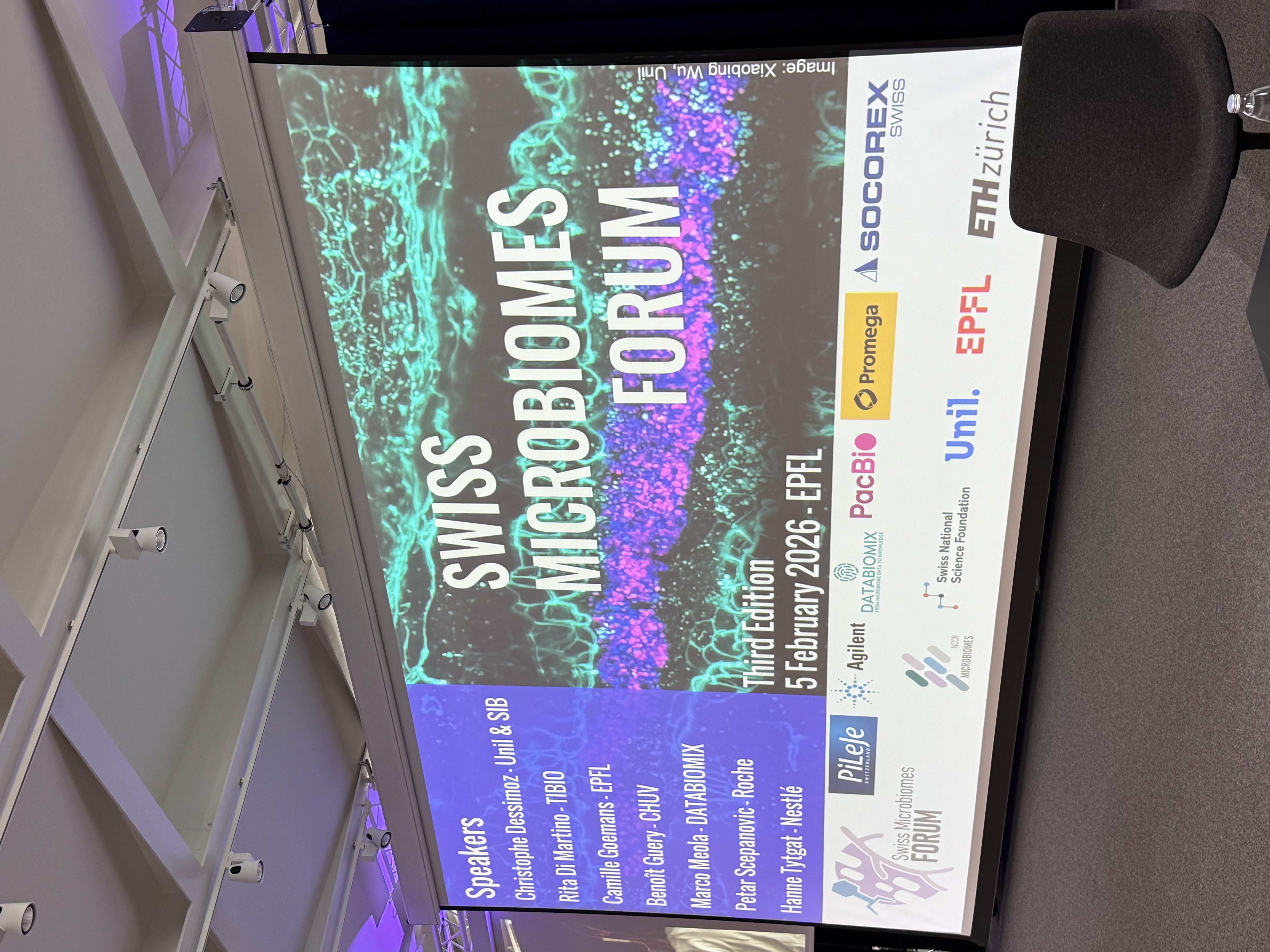
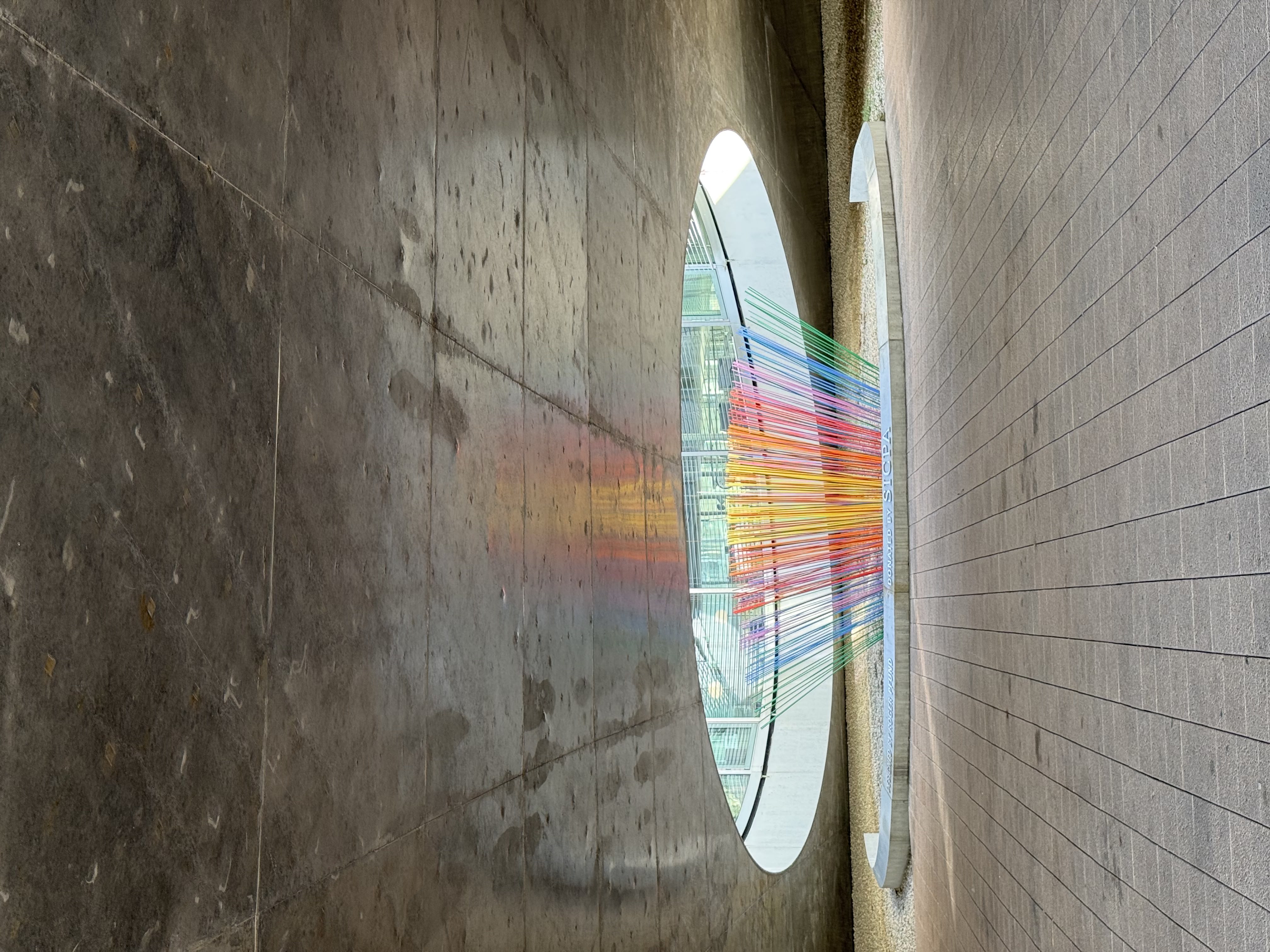
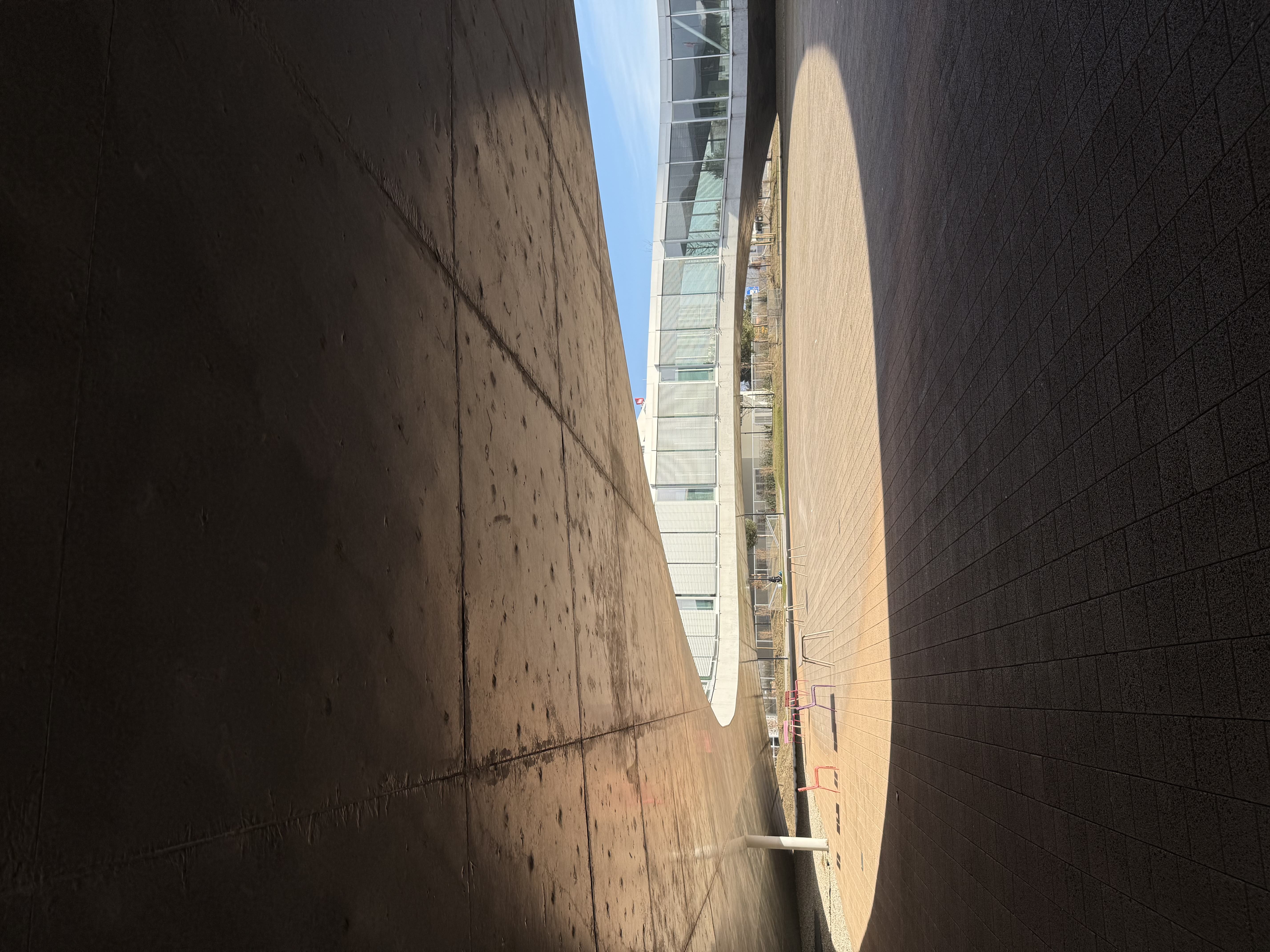
Almost 2 months ago I visited Switzerland on a mini holiday to attend the Swiss Microbiome Conference and potentially scout out a job. Lausanne is a beautiful city. It was in the Rolex Centre Building which was pretty cool.
Everyone I got chatting to was very friendly but the majority of them were also looking for jobs which is not a very auspicious sign for the field in general.
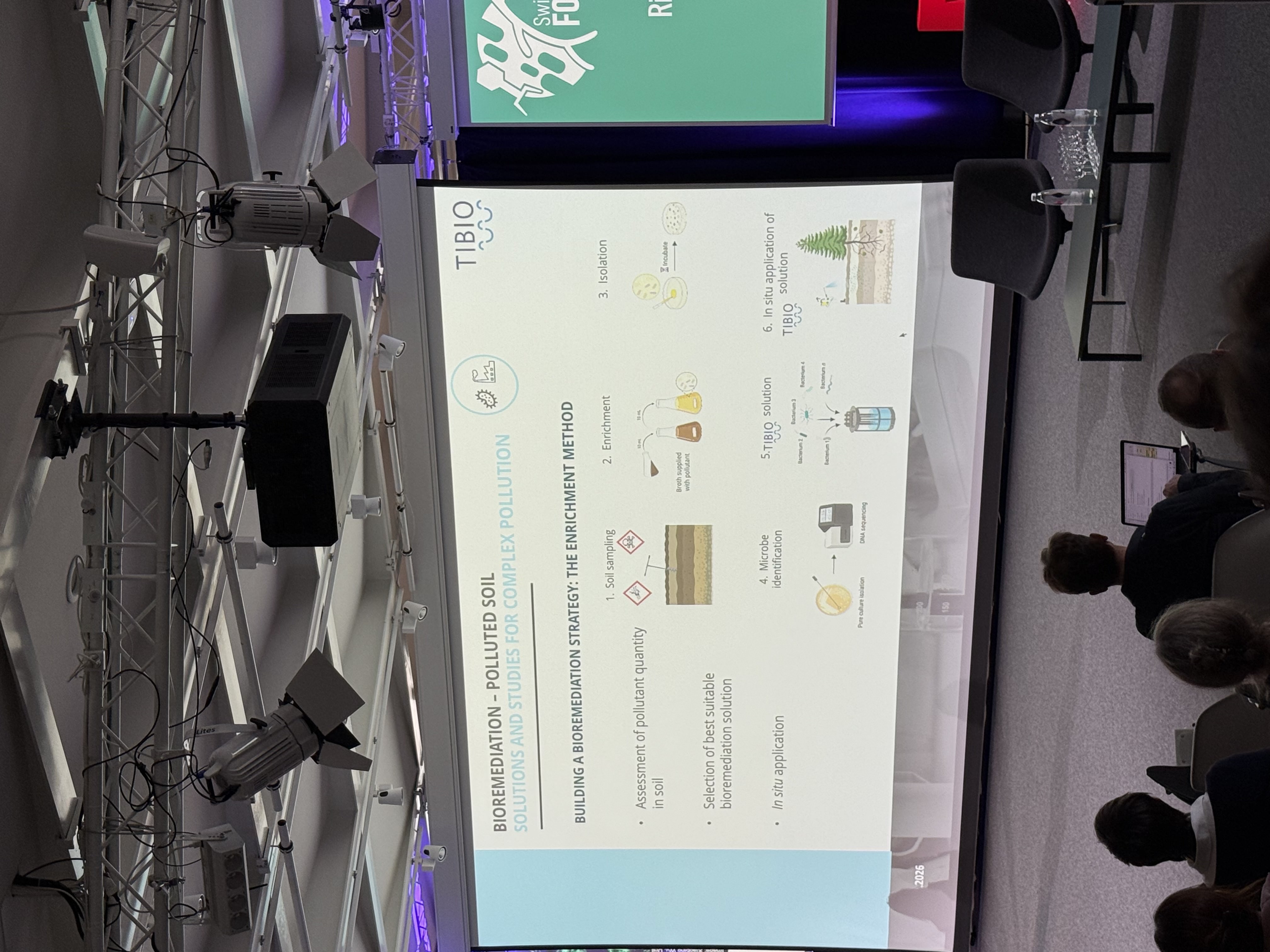
It was still fascinating to listen to what leaders in the field had to say even if I didn’t get chatting to them. There was one researcher in particular who was working on soil bioremediation who I tried chatting to at the break but she was swamped with a queue of people so I just chatted up some other microbiologists. Everyone had their own unique story and insights which is always cool to hear.
Interesting insights
Some interesting facts and questions that came up during the discussion/presentations:
-
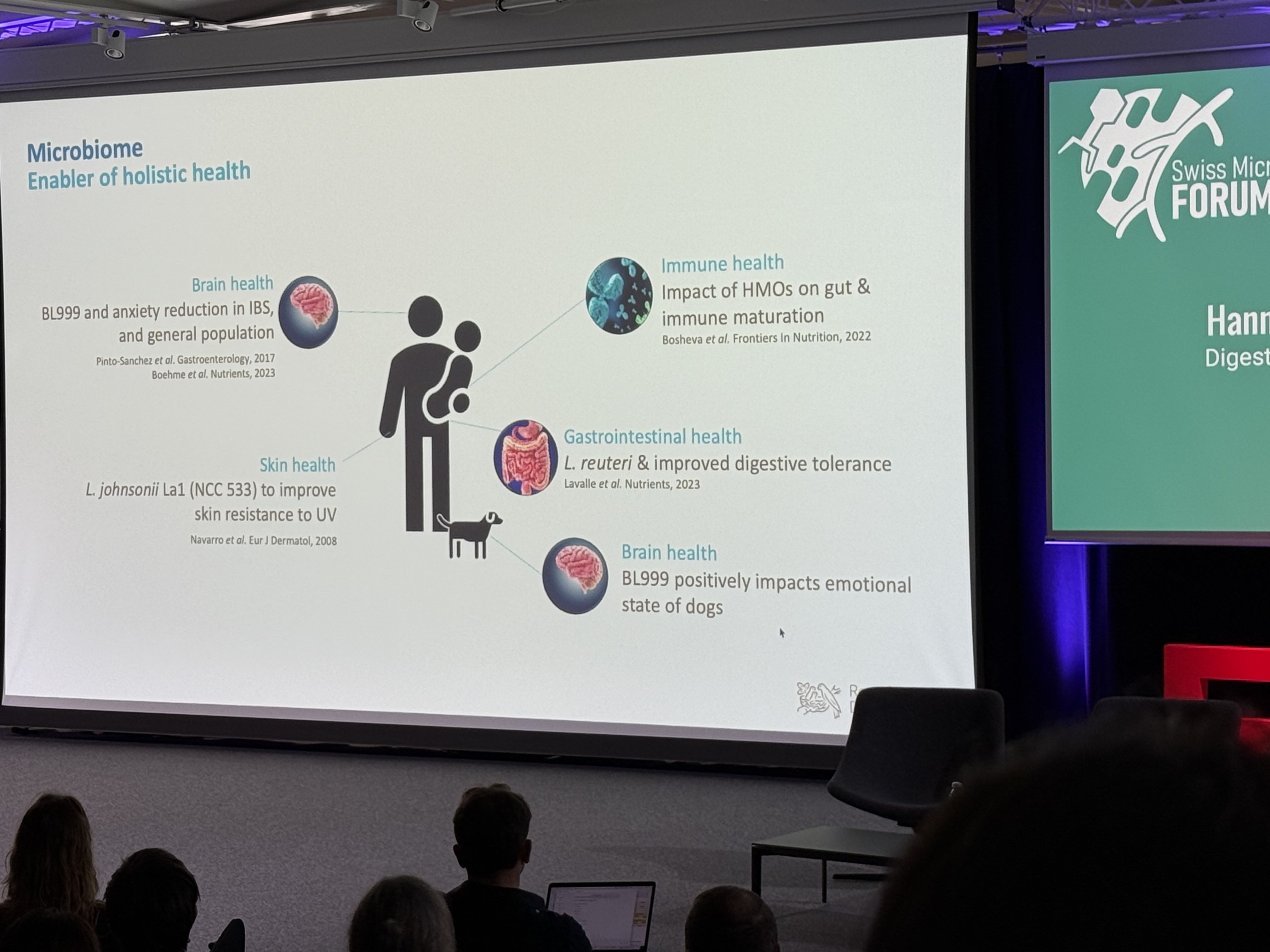
A stable microbiome is built during the first 1000 days of life. This is when Bifidobacteria and some Lactobacillus strains are detected at their highest abundance so does it make sense to supplement with these bacteria later in life?
-
“Microbiome science has overpromised on the personalized side - we are far from there” - Hanne Tytgat, Nestle. This was really interesting/affirming and I appreciated her honesty.
-
A lot of companies are focusing on developing next-generation biotics and probiotics.
-
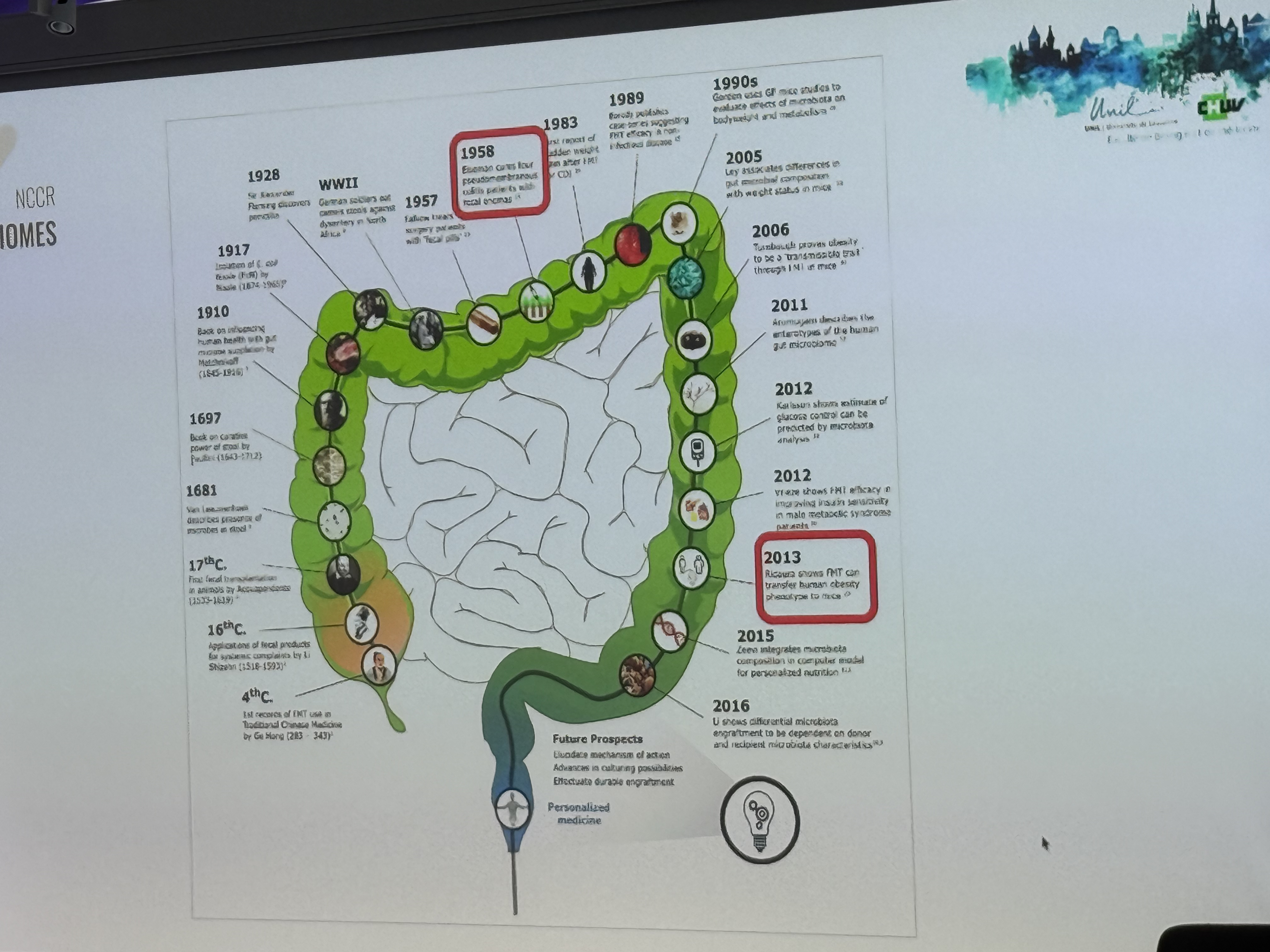
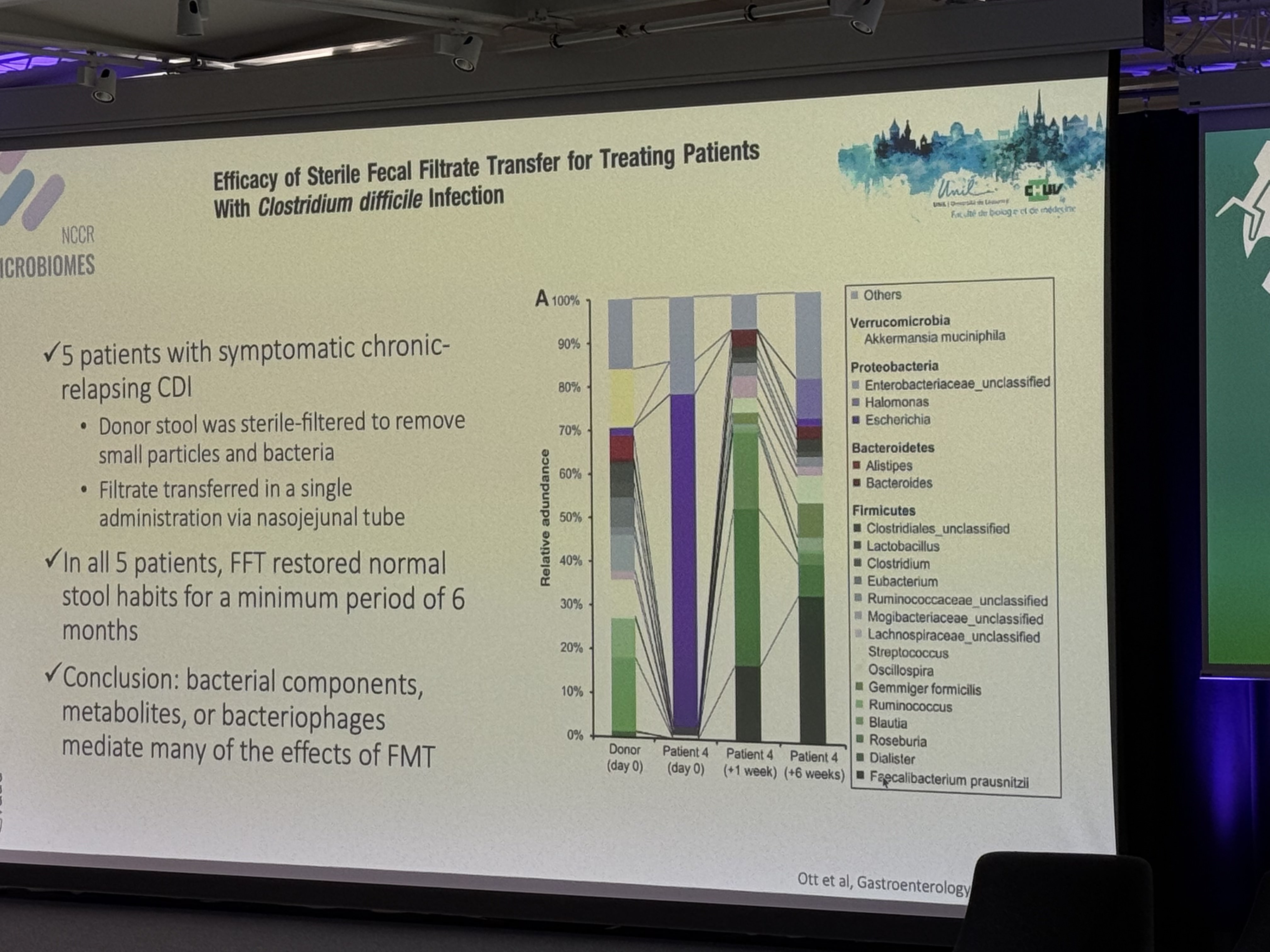
Bacteriophages are a seriously underlooked part of the microbiome and play huge roles in fecal transpant efficacy (Benoit Guery’s work). E.g. fecal transplants with just bacteria aren’t as successful at restoring microbiome harmony and health as those with phages mixed in. But hey - I knew this already! Still a nice reminder that although I’m burnt out from working with viral sequences for going on 6 years now, they are an integral and novel dimension of the microbiome to examine.
-
AI output is not to be trusted. LLMs require a voracious amount of training data and they essentially need to be babysat. Hallucinations are common. I thought it was nice hearing this but also their jobs are safe and it feels like a contradiction since so many of us scientists are looking for data science jobs and the market is seemingly quite bleak.
-
Still a lot of work to be done on just data formatting and sharing, maintaining databases. How to not introduce bias into your work or database and also trying to adapt other people’s databases to your experiment or needs. Petar Scepanovic from Roche said it’s a challenge just sharing data between their 800 global computational biologists internally nevermind maintaining a global resource.
-
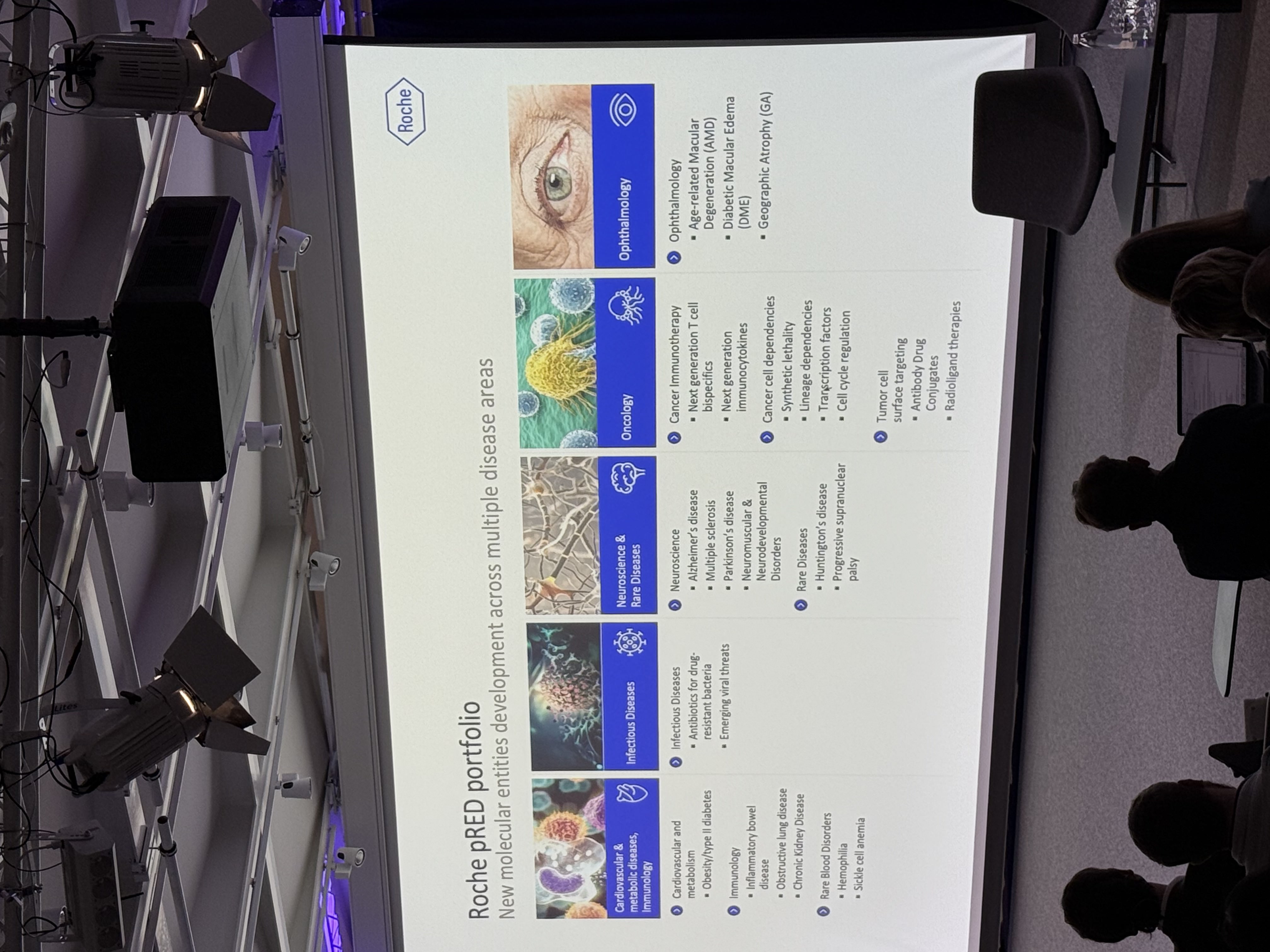
Companies like Roche and Nestle have active microbiome research departments. Wow, it would be cool to be get working on a large-scale project with that amount of resource access.
-
Microbiome science can be perceived as pseudoscience by other fields. This was genuinely shocking for me to hear as I thought everything I’ve done and seen in APC microbiome has been extremely rigorous. However, upon deeper thought, the microbiome is so high-dimensional that spurious correlations and assumptions can possibly arise, and it is extremely difficult to decipher the variables that are actually driving an output.
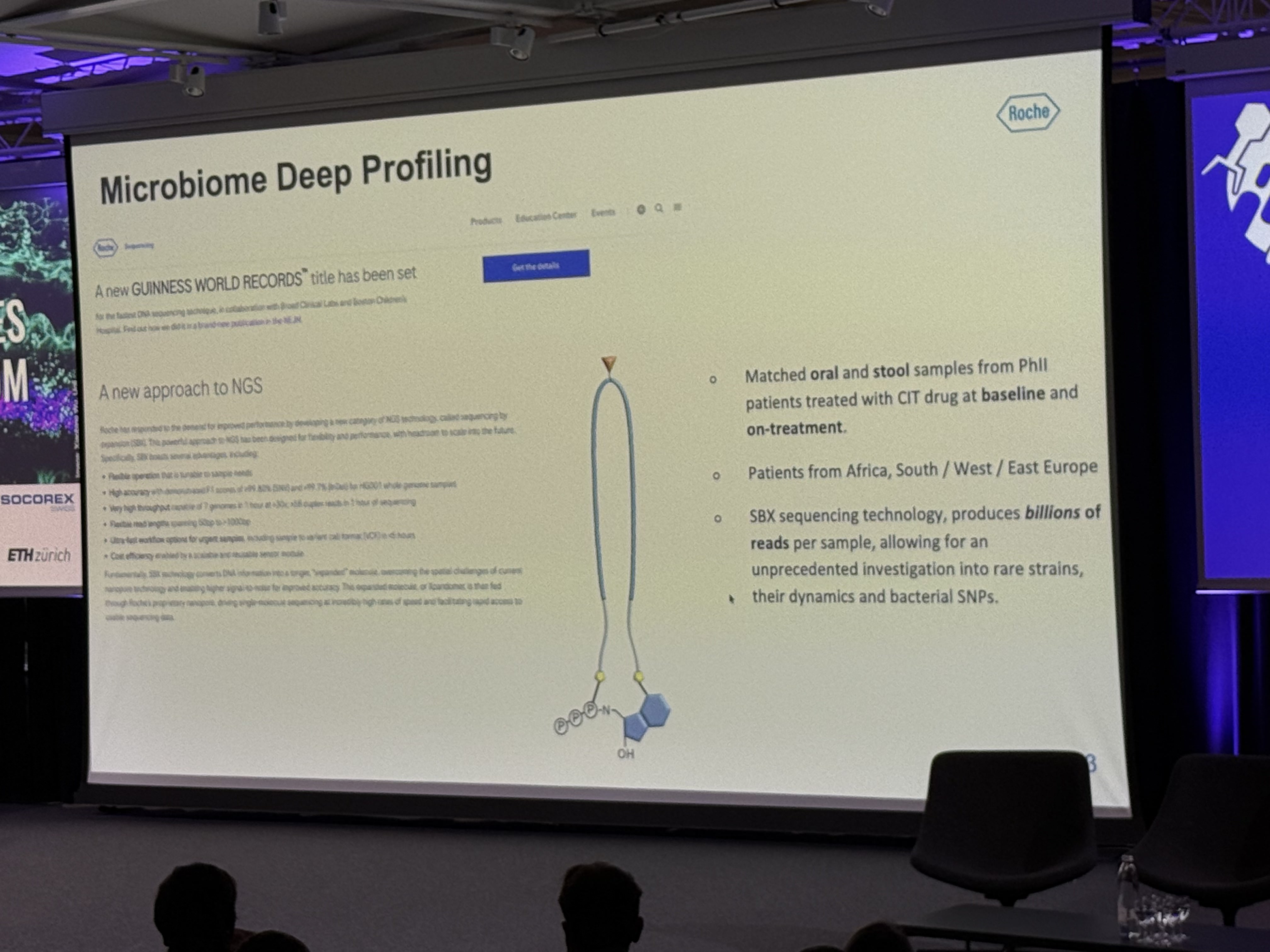
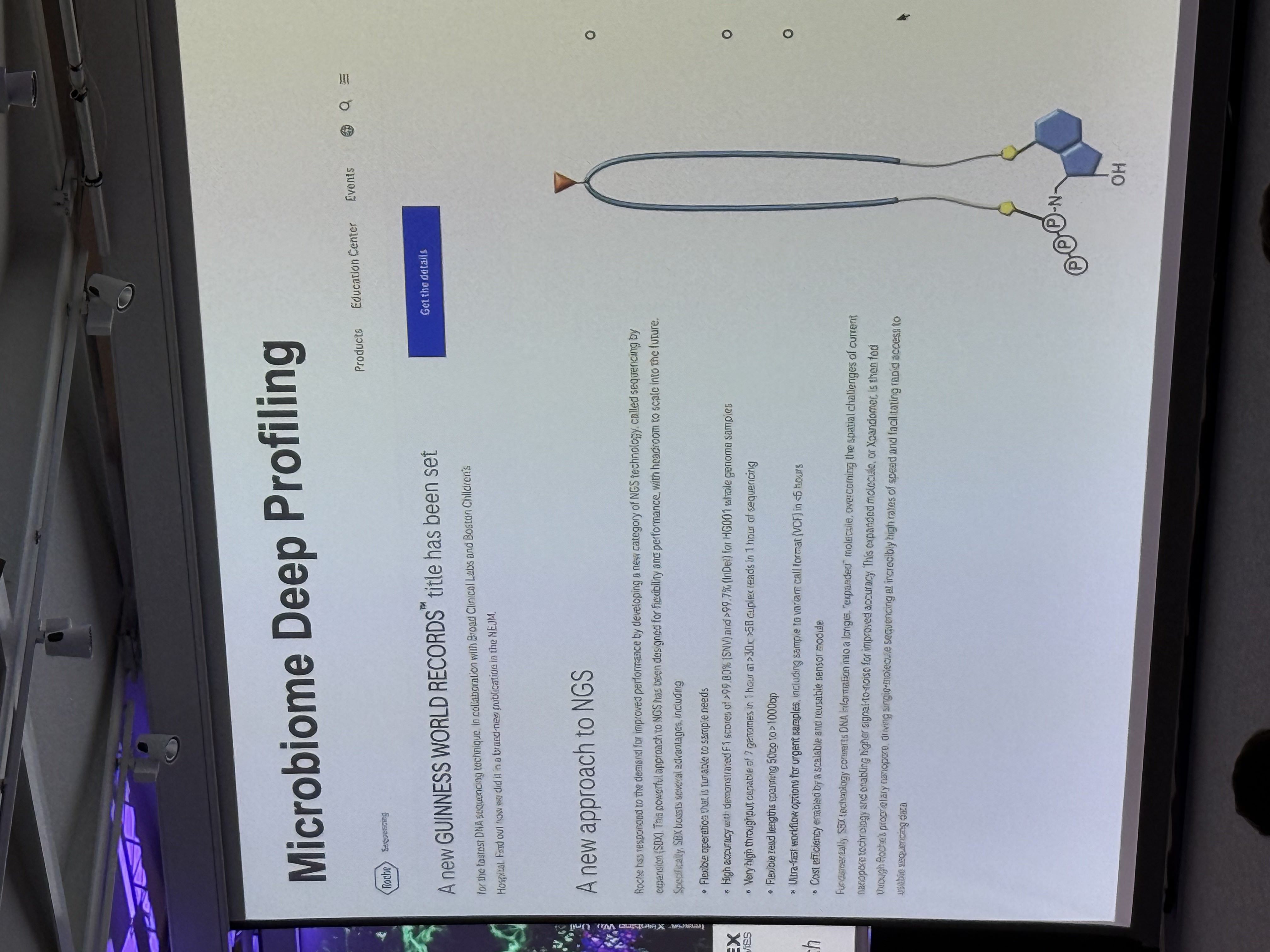
- Roche have developed a new NGS methodology to sequence billions of reads to understand low abundance and rare species in higher resolution. Good luck to whoever has to assemble that dataset! They achieved a Guinness world record for this.
Speaking of Guinness.. I went to the pub later that evening to watch the Ireland vs. France match. Overall, a great day.